
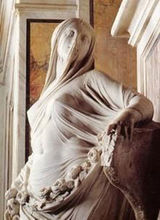



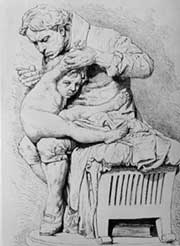
 Most probably everybody knows that smallpox (a serious infectious disease with a high number of fatalities in the past) was declared as eradicated from the face of Earth during May 1980 by WHO (World Health Organization). Tows Maow Maalin, a Somali cook, was the last recorded case of someone infected by such a plague on 26 October 1977. Vaccination campaigns were suspended worldwide between the '70 and the '80. In Italy they were suspended in 1977 and abolished in 1981.
![[Most Recent Quotes from www.kitco.com]](http://www.kitconet.com/charts/metals/gold/t24_au_en_euoz_2.gif)
![[Most Recent Quotes from www.kitco.com]](http://www.kitconet.com/charts/metals/silver/t24_ag_en_euoz_2.gif)
![[Most Recent Exchange Rate from www.kitco.com]](http://www.weblinks247.com/exrate/exr24_eu_en_2.gif)

Accesso utente
Navigazione
Blog ospitati








Cerca
Interventi recenti del blog
- Smantellamento internet - distruzione creativa - cambiamento climatico
- Vaccinazione di massa e rendimenti marginali decrescenti
- La sconfitta della scienza
- Vaccinazione di massa durante una pandemia: rischi vs benefici
- Ne cives ad arma ruant
- Quando il diavolo non esiste
- L'albero della Vita
- La Gestazione della Moneta Mondiale
- Lettera ai propri familiari
- THEY EVIL
Chi è on-line
Ci sono attualmente 0 utenti e 6 visitatori collegati.
Nuovi utenti
- melania
- Fontainebleau
- ClaudioTip
- Marco Caco
- flying
Ultime recensioni

Giudizio: Imperdibile
Feroce e attualissima satira sui persuasori occulti, i massmedia e il conformismo che appiattisce le coscienze; si ride, e a patto di avere un paio di neuroni funzionanti, si riflette.

Giudizio: Indispensabile
Lezione di pensiero critico che piomba tra le menti atrofizzate del medioevo post-orwelliano; insinua più di un dubbio e ricorda a tutti che le bufale non sono nate con internet, risalgono all'invenzione della politica e dei mezzi di comunicazione di massa, come ad esempio la fotografia.

Giudizio: Da vedere
Dopo la flaccida trilogia prequel di Lucas e l'immondo “risveglio” di J.J. Abrahams arriva quasi in sordina un Star Wars capace di evocare, almeno in parte, l'atmosfera della saga originale.

Giudizio: Subdolo
Il motivo per cui si dovrebbe smettere di guardare film ma anche il motivo per cui continueranno a farli.

Giudizio: Per Coprofagi
Guardando lo schermo, un vicino di poltrona e compagno di sventura mi ha chiesto se c'era un altro cesso nel locale.
Commenti recenti
1 settimana 5 giorni fa
6 settimane 2 giorni fa
9 settimane 3 giorni fa
19 settimane 14 ore fa
20 settimane 4 giorni fa
21 settimane 2 giorni fa
25 settimane 3 giorni fa
28 settimane 3 giorni fa
30 settimane 3 giorni fa
32 settimane 1 giorno fa