
Ukraine – Zelenski Rejects Giving Land as Fascists Promise To Kill Him
The (former) President Zelenski of Ukraine is refusing any compromise in negotiations with Russia. He would be killed and replaced by a more right wing figure if he would consider otherwise.
In a speech on Sunday marking Ukraine’s independence Zelenski insisted of recapturing all of Ukraine including Crimea.
As the Washington Post summarizes (archived):
In Kyiv on Sunday, Ukraine’s Independence Day, Zelensky addressed the nation and vowed to restore its territorial integrity.
“Ukraine will never again be forced in history to endure the shame that the Russians call a ‘compromise,’” he said. “We need a just peace.”
He listed some of the regions occupied by Russia — including Donetsk, Luhansk and Crimea — and said “no temporary occupation” could change the fact that the land belongs to Ukraine.
Zelenski thus rejects calls by U.S. President Trump to give up Ukrainian territory in exchange for peace.
One reason why he does so may be the personal danger he is in. Any compromise about territory may well cost his life.
The London Times continues to make propaganda for Nazis. After a recent whitewashing interview with Azov Nazi leader Biletsky (archived) it yesterday published an interview with the former leader of the fascist Right Sector in Odessa Serhii Sterneneko.
‘Russia has repeatedly tried to kill me — I must be doing something right’ (archived)
Sterneneko had a leading role in the 2014 massacres in Maidan Square and at the Trade Union’s House in Odessa. The Times is whitewashing his participation in those events. It does not mind to publish his threats against Zelenski:
[A]mong Ukraine’s younger generation of soldiers and civilians, Sternenko’s brand of truth to power has wide popularity. “I say what I think, and people like what I say.”
His views on President Putin’s demand for Ukraine to cede the territory it defends in the eastern Donbas region as a precondition for possible peace are typically direct. “If [President] Zelensky were to give any unconquered land away, he would be a corpse — politically, and then for real,” Sternenko said. “It would be a bomb under our sovereignty. People would never accept it.”
Sternenko, who himself has avoided the draft, wants the war to go on forever:
Indeed, as he discussed Russian intransigence and President Trump’s efforts to end the war, Sternenko’s thoughts on the possibility of peace appeared to be absent of any compromise over Ukrainian soil.
“At the end there will only be one victor, Russia or Ukraine,” he said. “If the Russian empire continues to exist in this present form then it will always want to expand. Compromise is impossible. The struggle will be eternal until the moment Russia leaves Ukrainian land.”
Other British media continue to promote the rise of Nazi affiliated figures in Ukraine. The Guardian adds by promoting the presidential campaign of the former Ukrainian general and now ambassador to the UK Valeri Zaluzhny:
In private conversations, Zaluzhnyi has not confirmed he plans to go into politics, but he has allowed himself to speculate on what kind of platform he could propose if he does make the decision. Those close to him say he sees Israel as a model, despite its current bloody actions in Gaza, viewing it as a small country surrounded by enemies and fully focused on defence.
He would style himself as a tough, wartime leader who would promise “blood, sweat and tears” to the Ukrainian people in return for saving the nation, channelling Winston Churchill. In one private conversation, he said: “I don’t know if the Ukrainian people will be ready for that, ready for these tough policies.”
A day before being fired as the commander of the Ukrainian army Zaluzhny took a selfie with the leader of the fascist Right Sector and commander of Right Sector brigade of Ukrainian military in front of a portrait of Nazi collaborator Stepan Bandera and the fascist OUN flag.
The picture was already part of his campaign to become the leader of a Bandera-ized Ukraine.
It seems that the British deep-state does its best to support him in that.
Reprinted with permission from Moon of Alabama.
The post Ukraine – Zelenski Rejects Giving Land as Fascists Promise To Kill Him appeared first on LewRockwell.
Liberal Ex-college Professor: ‘We’ve Been Sold a Bill of Goods … Called Multiculturalism’
“I’ve come to the conclusion that we’ve been sold a bill of goods.”
“And the bill of goods was called multiculturalism.”
So said liberal evolutionary biologist, researcher, ex-academic, and now podcaster and commentator Brett Weinstein. He made his comments recently during a very intellectual discussion with famed clinical psychologist Jordan Peterson, part of which was posted Friday to the latter’s YouTube channel. And the two men essentially issued a warning, albeit in the most highbrow tone. To wit:
Multiculturalism threatens Western civilization itself by prioritizing differences (read: diversity) over unity. If it is not “canceled,” the West very well may be.
The Multi-cult
The video clip opens with Weinstein, brother of famed mathematician and podcaster Eric Weinstein, expounding upon that “bill of goods.” He stated that the
problem with multiculturalism is that it sounds like something that those of us who like to interact with people from many different cultures should appreciate. But it’s in fact the opposite of … the value that we actually hold. The value that we actually hold I would call Western cosmopolitanism…. Multiculturalism is the idea that people should not join our societies, but they should maintain their own traditions in an isolated pocket, and that we should effectively reject the idea of becoming one people in the West.
At this point, Peterson interjected and pointed out that this ideology ignores
the fact that if you bring people together and reduplicate the situation of the world at large with no uniting meta-narrative … you also bring in all of the conflict.
Put simply, and as has been said, bring enough of “there” here, and here becomes there. For example, import the Third World, become the Third World.
By Bread Alone?
Peterson went on to say that this multiculturalist error is “fueled by … an underlying materialism.” He continued:
So maybe the notion is, if you bring diverse people from all over the world regardless of their culture and you provide them with sufficient economic opportunity — given that conflict is driven fundamentally by economic need, let’s say, or economic differences — that that will just vanish somehow, magically.
What’s generally unsaid is that this is a Marxist idea. The late Pope Benedict XVI addressed this phenomenon, in fact, when critiquing Karl Marx. He pointed out that the latter’s mistake was his viewing of man as a purely economic being. That is, human behavior is explainable, and problems remediable, the thinking goes, solely via an economic approach. (E.g., the communist notion that simply eliminating economic inequality will end human strife).
Yet man is not driven just by economics, important though that is. He also has intellectual, emotional, psychological, moral, and spiritual dimensions. Moreover, the Truth appears precisely the opposite of the Marxist thesis. Just consider, for example, that terrorist Osama bin Laden was worth approximately $30 million.
And why does the saying “An idle mind is the Devil’s workshop” exist? Why does the Chinese proverb inform, “When there’s food on the table there are many problems. When there’s no food on the table, there’s only one problem”? Answer:
Freeing man from economic stress, which is a good thing to do, also frees him up to fixate on other troubles, real or imagined. Know here that Karl Marx himself came from a well-to-do home. Had he needed to toil in the fields sunup to sunset just to subsist, it’s doubtful he’d have co-written The Communist Manifesto.
A Proposition Nation?
Weinstein also outlined two factors he believes drive human collaboration: genetic relatedness (kinship) and reciprocity (mutual benefit). The West’s strength, he asserted, lies in prioritizing reciprocity. This results in diverse individuals working together for shared wealth and progress. In contrast, kin-based systems limit collaboration, he averred.
Weinstein credits the Founders for this reciprocal standard, too. They created a framework that minimized advantages based on lineage, he essentially said, facilitating said collaboration.
Weinstein painted even more broadly as well, stating that
what we call the West, I believe, is most fundamentally about the agreement to put aside our lineages and collaborate because there is wealth to be produced.
United States of Money?
Peterson appeared to place greater emphasis on the importance of that “meta-narrative,” however. And I would, too, take issue with Weinstein’s interpretation of the West’s fundamentals. The reality is that during the West’s rise and heyday, its countries certainly had a sense of being a “national family.” For example, Briton G.K. Chesterton wrote in the early 1900s about how, sure, his countrymen might have their disagreements. But at the end of the day, they would always be “English.”
Then there were the sentiments expressed by founder John Adams in a July 1815 letter to Thomas Jefferson.
“The consanguinity [relationship based on common lineage] of our politics and our religion has been our great advantage,” he wrote. “It has made us one people, united in sentiment and in affection, as well as in interest and in destiny.”
Adams explained that this consanguinity was instrumental in our Revolutionary War victory and a significant bulwark of our new nation. He contrasted this with challenges more diverse lands faced.
In reality, though, the U.S. was never about prioritizing or ignoring old ethnic identities.
It was, during its most sober moments, about forging a new, common “ethnic” identity: American.
President Theodore Roosevelt emphasized this, do note, in his famous 1915 “no room in this country for hyphenated Americanism” speech.
Unfortunately, this now all seems a bit quaint, as hyphenating oneself is the norm today — even among patriots.
Diversity in Confusion
Regarding other matters, Weinstein also mentioned, innocently, that it’s “not a question” in America of “what God” you pray to. It is true, too, that this has no bearing on your constitutional rights.
But what God we pray to will have a major bearing on whether we’ll keep them.
As I explained in “The Acceptance Con” (2013), a people’s theistic orientation influences their conception of right and wrong.
Speaking of which, multiculturalism is also a corollary of, and a Trojan horse for, moral relativism (explained here). This may be its most dangerous aspect, in fact.
Lastly, there’s another kind of cultural divide in America, one that also has a “multicultural” effect: the homegrown philosophical divide. For instance, “liberals” and “conservatives” are now so different that they could be conceived as distinct and incompatible cultural groups.
The bottom line is that a common culture leads to having a common country. A thoroughly “multicultural” land can be held together — but only through the iron fist of tyranny.
For those interested, the Peterson/Weinstein discussion is below.
This article was originally published on The New American.
The post Liberal Ex-college Professor: ‘We’ve Been Sold a Bill of Goods … Called Multiculturalism’ appeared first on LewRockwell.
US Stake In Intel Is A Very Bad Idea
The post US Stake In Intel Is A Very Bad Idea appeared first on LewRockwell.
Migrants in Dresden harass women on the tram, then slash an American man’s face open as he tries to intervene
Click Here:
The post Migrants in Dresden harass women on the tram, then slash an American man’s face open as he tries to intervene appeared first on LewRockwell.
Terror Out of Zion: Irgun Zvai Leumi, LEHI, and the Palestine Underground, 1929-1949
TERROR OUT OF ZION – IRGUN ZVAI LEUMI, LEHI, AND THE PALESTINE UNDERGROUND, 1929-1949 .pdf
“We fight, therefore we are.” This revision of Cartesian wisdom was enunciated by the late premier of Israel, Menachim Begin. It is the leitmotif of this brilliant study of the military origins of modern Israel. J. Bowyer Bell argues that the members of Irgun, Lehi (the Stern Gang), and the Zionist underground in British mandated Palestine had clear motives for the violent path they took: the creation of a sovereign homeland for the Jewish people in oppressed lands. These advocates of terror pitted themselves against not only the British and the Arabs, but also against less violent brethren like Ben Gurion, Moshe Dayan, and Yitzhak Rabin.
“This is the definitive story of desperate, dedicated revolutionaries who were driven to conclude that lives must be taken if Israel were to live. The dynamite bombing of the King David Hotel, the assassination of Lord Moyne in Cairo, and Count Bernardotte, in Palestine were but a few acts of terror which forced the British out of the Middle East. TERROR OUT OF ZION evaluates whether these acts were extremist or necessary, and whether these men and women were fanatics or freedom fighters.
“TERROR OUT OF ZION serves as a primer for those who would understand contemporary political divisions in Israel. It is based on careful historical research and interviews with surviving members of the Irgun, chronicling bombings, assassinations, hah- breadth prison escapes, and endless cycles of retaliation in the terror that gave birth to Israel, but, no less, continues to inform its political relations. Bell has fashioned an adventure story that also explains the sources of current tensions and frictions within Israel.”
Theodor Herzl, The Jewish State: An Attempt at a Modern Solution of the Jewish Question
Lenni Brenner, Zionism In the Age of the Dictators
Lenni Brenner, The Iron Wall: Zionist Revisionism from Jabotinsky to Shamir
(The original German version of the infamous proposal for collaboration between the Stern Gang and the Nazis)
(Fundamental Features of the Proposal of the National Military Organization in Palestine
(Irgun Zvai Leumi) Concerning the Solution of the Jewish Question in Europe and the Participation of the NMO in the War on the Side of Germany)
Lenni Brenner, 51 Documents: Zionist Collaboration With the Nazis
Ralph Schoenman, The Hidden History of Zionism
Alison Weir, Against Our Better Judgment: The hidden history of how the U.S. was used to create Israel
Alfred M. Lilienthal, The Zionist Connection II: What Price Peace?
and John Loftus and Mark Aarons, The Secret War Against the Jews: How Western Espionage Betrayed the Jewish People.
The post Terror Out of Zion: Irgun Zvai Leumi, LEHI, and the Palestine Underground, 1929-1949 appeared first on LewRockwell.
Perché i baby boomer francesi rimanderanno a tempo indeterminato la riduzione del deficit
Visto che mi ritrovo a dover commentare diversi “europeisti” a cui piace infilare la testa sotto la sabbia, mettiamo le cose in chiaro: cosa sta cercando di fare l'UE? Manipolare gli eventi attuali, oltre allo spazio politico ed economico, per permetterle di condensare un'integrazione politica, fiscale e militare a livello di continente sotto l'egida di una serie di istituzioni: la Commissione europea, la BCE, la Corte di Giustizia europea, l'euro digitale (con l'aiuto dell'ONU, tra l'altro). In questo modo, con l'unione fiscale soprattutto, verrebbero a crearsi gli “Stati Uniti d'Europa”... ma con la struttura politica dell'URSS. Per questo l'UE vorrebbe muovere il centro finanziario del mondo dagli USA all'Europa. Ma sapete una cosa? Si è trattato di un prestito, si è sempre trattato di un prestito sin dalla Seconda guerra mondiale. È così che la famigerata cricca di Davos, l'élite colonialista europea, ha conquistato i territori: inondare quei Paesi “interessanti” per loro con capitali, farli sviluppare finanziariamente senza una base di capitale costruita solidamente nel tempo, derubarli delle risorse a ogni livello, richiamare i capitali prestati. L'UE avrebbe voluto fare lo stesso sia con gli USA che con la Cina (in Russia non è riuscita a penetrare invece). Entrambe, però, hanno alzato il dito medio. Ora si sta mettendo davvero fine al colonialismo finanziario (versione “aggiornata” di quello territoriale).
______________________________________________________________________________________
da Zerohedge
(Versione audio della traduzione disponibile qui: https://open.substack.com/pub/fsimoncelli/p/perche-i-baby-boomer-francesi-rimanderanno)
La Francia continua a non riuscire a risanare i conti pubblici. Dati recenti dell'Insee suggeriscono che la forte dipendenza dai trasferimenti diretti da parte di alcuni gruppi sociali, in particolare i pensionati, unita al loro crescente peso elettorale, potrebbe rappresentare un ostacolo fondamentale. Questi fattori rendono più difficile per il governo intraprendere significativi aggiustamenti di bilancio senza correre il rischio di instabilità politica.
Sulla base di questi risultati e data la vicinanza alle elezioni locali (1° trimestre 2026) e presidenziali (2° trimestre 2027), continuiamo a ritenere che vi siano buone probabilità che il pacchetto di risanamento di circa €44 miliardi recentemente annunciato sia destinato ai servizi pubblici piuttosto che ai trasferimenti diretti. Non possiamo escludere la possibilità che venga sostanzialmente annacquato.
Forze che ostacolano il consolidamento fiscale
La Francia, dal punto di vista storico, ha faticato a ridurre il proprio deficit fiscale. Una delle ragioni principali è che i tagli alla spesa tendono a colpire i gruppi con maggiore influenza elettorale. Ciò è stato illustrato alla fine del 2024, quando l'allora Primo ministro, Michel Barnier, propose di rinviare l'indicizzazione dei prezzi delle pensioni nel bilancio 2025. L'obiettivo era di risparmiare fino a €4 miliardi, ma il suo governo fu infine fatto cadere da una mozione di sfiducia sostenuta dalla maggioranza dei partiti che dichiaravano di difendere i pensionati.
In un working paper del 1989, gli autori (Alesina e Drazen) osservarono che i gruppi sociali possono posticipare strategicamente un risanamento fiscale necessario. Questi gruppi ritardano le misure nella speranza che i costi associati vengano infine sostenuti da un altro gruppo. In tali contesti gli aggiustamenti fiscali si basano su gruppi sociali meno attivi, o sono innescati da una crisi o da uno shock esterno, come la perdita di fiducia degli investitori.
Un aggiustamento fiscale davvero necessario
Il peggioramento dei conti pubblici e le prospettive di crescita stagnanti hanno reso la riduzione del deficit in Francia sempre più urgente. Il saldo primario necessario per stabilizzare il rapporto debito/PIL tra il 2026 e il 2030 è stimato a -0,7%. Tuttavia i risultati della Francia sono deboli: il saldo primario medio dal 2002 al 2019 ha raggiunto -1,9% e si prevede che raggiungerà in media -2,3% nel periodo 2026-2030.
Nel frattempo la popolazione rimane profondamente divisa su come ridurre la spesa, nonostante la crescente consapevolezza delle rischiose prospettive fiscali del Paese. Il debito pubblico è una delle cinque principali preoccupazioni nei sondaggi d'opinione.
Mappare i gruppi interessati
Per comprendere perché i risanamenti fiscali basati sulla spesa pubblica siano così difficili da realizzare, utilizziamo un recente set di dati fornito dall'Insee per stimare il potenziale costo dell'austerità per diversi gruppi sociali. Questo set di dati offre informazioni sul reddito totale delle famiglie, al lordo e al netto dei trasferimenti pubblici diretti e indiretti.
I trasferimenti diretti includono tutti i trasferimenti monetari come pensioni, indennità di disoccupazione e sussidi. I trasferimenti indiretti rilevano il valore imputato dei servizi pubblici ricevuti, tra cui assistenza sanitaria, istruzione o assistenza abitativa.
Sulla base di questi dati, costruiamo due metriche di esposizione:
- esposizione diretta, definita come il rapporto tra trasferimenti diretti e reddito totale;
- esposizione indiretta, definita analogamente per i trasferimenti indiretti.
Maggiore è l'esposizione di un gruppo, più costosi sarebbero per esso i tagli alla spesa.
Visualizziamo queste relazioni utilizzando un grafico a bolle (si veda il primo grafico), in cui la posizione di ciascun gruppo sociale riflette la sua esposizione e la dimensione di ciascuna bolla corrisponde alla sua quota nella popolazione totale. Questi gruppi sociali non si escludono a vicenda. Il grafico evidenzia quali gruppi dipendono maggiormente dalla redistribuzione pubblica e sono quindi più propensi a resistere o ritardare un aggiustamento fiscale.
Vulnerabilità agli shock esterni
In questo quadro i pensionati emergono come il gruppo sociale che sosterrebbe il costo diretto più elevato derivante da qualsiasi riduzione dei trasferimenti diretti, i quali rappresentano quasi il 60% del loro reddito totale. Seguono i diplomati della scuola secondaria di primo grado, per i quali i trasferimenti diretti, e in particolare le indennità di disoccupazione, rappresentano quasi il 40% del loro reddito.
Entrambi i gruppi presentano anche elevati livelli di esposizione indiretta, con trasferimenti indiretti che rappresentano circa il 40% del loro reddito iniziale (al lordo della ridistribuzione). Tuttavia, nella popolazione, il livello di esposizione indiretta è inferiore e distribuito in modo più uniforme.
Questi risultati confermano che il risanamento fiscale attraverso tagli ai servizi pubblici potrebbe incontrare una minore opposizione politica, poiché una quota minore della popolazione presenta un'elevata esposizione indiretta. D'altro canto è probabile che i trasferimenti diretti (come le pensioni) incontrino una forte resistenza, dato che i baby boomer sono tra i più colpiti e ora rappresentano oltre il 50% dell'elettorato.
Tutto ciò ostacola la capacità del governo di prevenire lo sbilanciamento fiscale e rende il Paese vulnerabile a shock esterni, come la perdita di fiducia degli investitori. Tuttavia sussiste un rischio elevato che le misure di risanamento del Primo ministro, François Bayrou, vengano vanificate da concessioni politiche durante i dibattiti parlamentari autunnali.
[*] traduzione di Francesco Simoncelli: https://www.francescosimoncelli.com/
Supporta Francesco Simoncelli's Freedonia lasciando una mancia in satoshi di bitcoin scannerizzando il QR seguente.
Concerned Citizens Refuse to Send Confederate Sculptures to LA’s Monuments Exhibition
The Shenandoah Valley Battlefields Foundation (SVBF), on behalf of concerned citizens, filed a request for an emergency injunction June 27 against the city of Richmond to prevent previously removed Monument Avenue Beaux Arts monuments and cannons from being sent to LA’s Monuments Exhibition in the Museum of Contemporary Art. The show, which will open this fall, will be a controversial display of some graffiti laden and damaged Confederate sculptures along with modern works satirizing the South. The negative condition of some of the pieces will only serve to stir up racial animus and animosity toward Confederate memorials still standing. A number of the monuments started to be vandalized after the Charleston shooting event of 2015 and more memorials were attacked and removed in the aftermath of the 2020 riots. In addition, the exhibition has condemned the South in their press release as “white supremacists” for putting up funerary monuments well after the Civil War even though the North similarly put up funerary monuments well after the war.
The LA Monuments show ignores basic facts about the aftermath of the Civil War. Having a good death in 1800s was very important, meaning if possible, being surrounded family and friends when passing as Thomas “Stonewall” Jackson experienced. Since that was impossible on the battlefield, being given a decent burial became meaningful. This period saw new developments in embalming techniques that allowed the dead whenever possible to be transported back to their homes for burial, thus the need for numerous funerary monuments mostly organized by grieving widows. Since over 600,000 died in the war, the extreme grief was felt by both sides and given tribute by monuments and statues even later when grandparents and relatives died.
Unlike the SVBF, Richmond’s Valentine Museum has cooperated with LA, and has worked to help coordinate this exhibit with the Black History Museum (BHM.) Their director, Shakia G. Warren, hopes that the LA exhibition will “spark national dialogue on race and power.” According to the Valentine’s director, Bill Martin, they’re sending the supine paint splashed Valentine sculpture of Jefferson Davis. 1907, and he has stated publicly that preserving the toilet paper noose, paint and other evidence of vandalism is vitally important. (“Why History Matters” symposium, Virginia Museum of History and Culture, Nov. 4th, 2023) He explained that the Black History Museum will be sending pieces [including the Matthew Fontaine Maury Monument] as well. There remains some controversy as to which sculptures the BHM has jurisdiction even though they’re shipping them to LA.
The SVBF’s court proceedings so far have yet to decide ownership for Richmond’s historic monuments, that were created for the general public and funded by residents of all racial backgrounds, white, ’negro’ and ‘Indian.’ (Richmond News Leader, R. B. Mumford, Jr., “Dream of Maury Memorial True After Years of Toil”, 1929; Richmond Public Library Maury Monument File.) At present, the court has ignored the SBVF’s request for an emergency injunction to stop the monuments from being sent to LA due to the chance of irreparable harm to the fine art and the fact that few monument protection laws exist in California. On August 14th a Judge in Shenandoah Valley Circuit Court refused to hear particulars of the SVBF suit, setting a new hearing date for August 26th, when legal ownership of Richmond’s public art which stood on Monument Avenue over 100 years, will be contested. Unfortunately, the priceless art works may already have been sent to LA by that date.
In contrast to Richmond’s stalemate, Charleston’s preservationists have scored a victory in court. The recently created non-profit, the Calhoun Monument Preservation Society, achieved a settlement from the city of Charleston. The previously removed statue of U.S. Vice President John C. Calhoun, 1896, by Scottish-American artist John Massey Rhind, will not be going to LA’s Monuments exhibition, as the museum requested. Instead, it will go to a new Charleston location and not replaced on Marion Square.
Brett Barry, President of the American Heritage Association, which oversaw the Calhoun court case, explained, “We have had an outpouring of support from businesses and donors that want to help. The Calhoun monument is on track to be the first monument re-erected since the late unpleasantness of 2020. However, we may be getting another monument re-erect before Calhoun (stay tuned!)”
A spokesman for the Monumental Task Committee, a preservationist group in New Orleans, complained that his group is being stonewalled about which Confederate sculptures would be sent to LA. He said, “We met with the lieutenant governor and attorney general and they didn’t seem to know which statues have been requested by LA.” The group wants to find out which pieces are at risk of being shipped so that they can start a court action to oppose sending them to the LA museum show. A poll on their website shows the same figure seen around the country, that ⅔ in Louisiana want their Confederate statues standing.
Just as in New Orleans where officials seem to be acting against residents in regards to Confederate statues, the US Congress recently saw a similar action to oppose the public’s will regarding Southern history. Secretary Hegseth in accordance with the public’s wishes has been renaming military bases with the original last names, but honoring a different solider. The original names had been erased by the now defunct Naming Commission.
On July 15, the House Armed Services Committee included an amendment to prevent the Pentagon from having funds to change the names back. One of the congressmen to endorse this amendment is Representative Don Bacon, Republican, Nebraska, who gave his opinion but never acknowledged that he and his colleges are going against the public. Bacon crossed party lines, along with Representative Derek Schmidt, Republican, Kansas, who refused to send a statement, to vote with the Democrats. Bacon explained, “I oppose having military bases named after Confederate generals who violated their oaths and, for the most part, were terrible generals. We passed renaming legislation in the 116th Congress with a Democrat House and a Republican Senate, and overrode a President’s [Trump’s] veto . . . It doesn’t get any better than Eisenhower [who admired Lee], Benavidez and Moore.”
While preservationists in several states wait for the outcome of which statues will be sent to LA’s Monuments exhibition against the public’s will, there is some good news regarding another historical monument. Moses Ezekiel’s Reconciliation Memorial, 1914, is being sent back to Arlington National Cemetery after a recent loan agreement with Secretary Hegseth and Governor Youngkin. It was reported that the cost to restore the monument would be a whopping $10 million and it would take two years. Ernest Everett Blevins, Historic Preservation expert, disagrees with the estimate. Blevins says the number of $10M to restore the monument is likely inflated, which often happens with estimates provided by the Congressional Office of Budget. Blevins reasons the $3 million removal cost included Section 106 compliance and satisfying such things as the HABS documentation, which will not be needed to restore. He says, “It should cost less than $3M to restore the monument.” Even with new interior bolts and cleaning the cost would be “at worst case, $5M.”
In general, despite the exceptions, officials and the courts haven’t been responsive in a timely manner to prevent sending local commemorative Confederate war memorials to LA’s Monuments exhibition.
The post Concerned Citizens Refuse to Send Confederate Sculptures to LA’s Monuments Exhibition appeared first on LewRockwell.
The ‘Open Diplomacy’ Fallacy
In previous columns, we have criticized President Trump for abandoning our traditional foreign policy of non-interventionism, despite his campaign promises to reduce our commitments abroad. In this week’s column, I’d like to address another mistake Trump has made and continues to make. The mistake is not original to him but begins with Woodrow Wilson. This is the idea that wars can be settled by public meetings of the heads of state; in Trump’s language, he is trying to “broker a deal” between the contending parties.
Trump is a foreign-policy activist, but couldn’t, hypothetically, a non-interventionist president sponsor such meetings in order to promote peace? Even if we shouldn’t enter foreign wars, shouldn’t we try to encourage nations engaged in these wars to settle their disputes peacefully?
To my mind, the answer is clearly, “No, we shouldn’t.” First of all, these meetings invert the normal conduct of diplomacy. As an article in the New York Times on July 19, 2025 points out:
“First, President Trump rolled out the red carpet for President Vladimir V. Putin of Russia for a high-stakes summit in Alaska. Then he brought the president of Ukraine and seven other European leaders to the White House for an extraordinary gathering to discuss an end to the war.
“Now comes the grunt work.
“Mr. Trump in the past week has effectively flipped the traditional diplomatic process on its head. After two critical meetings in four days aimed at ending the war in Ukraine, American and European diplomats scrambled to come up with detailed proposals for security guarantees and other sticking points that could upend any momentum to secure peace.
“Already, major gaps were becoming evident, including whether Russia would countenance U.S. security guarantees for Ukraine, and whether Mr. Putin was serious about meeting with Mr. Zelensky face to face.
“Ironing out the details typically happens between staffers and diplomats before leaders step in to finalize the agreement. But Mr. Trump, ever one to toss out norms and traditions, went big last week in Alaska with Mr. Putin, then again at the White House on Monday, without any breakthroughs to announce. Now, with Russia continuing to hammer Ukraine and no sign that Mr. Trump or Mr. Putin see a cease-fire as a precondition for a deal, the process could devolve into a diplomatic version of trench warfare.”
Secondly, because these meetings are held in the glare of world-wide media coverage, the parties to a dispute will be reluctant to make concessions, since they know that their intransigent followers will be furious unless they maintain the hardest possible line.
Thirdly, suppose that somehow a settlement is successfully negotiated, but later one of the parties violated it. There would be enormous pressure from the other side on the United to enter the conflict. For example, if Zelensky agreed to cede part of the Dombas to Russia but fighting broke out again. The Ukrainian government would very likely claim that it had been betrayed and demand that American troops be sent to the region.
So far, we’ve covered the fallacies of presidential diplomacy. But we need to dig deeper. The whole notion of “open diplomacy” needs to be challenged. As the great historian Sir Ronald Syme pointed out, “open diplomacy” is a contradiction in terms. To be successful, diplomacy must take place in private, insulated from popular pressure.
It was the monstrous Woodrow Wilson who initiated “open diplomacy.” In the First Point of the Fourteen Points (January 8, 1918), Wilson declared: “Open covenants of peace, openly arrived at, after which there shall be no private international understandings of any kind but diplomacy shall proceed always frankly and in the public view.”
The distinguished diplomat and historian Harold Nicolson aptly notes in his book Diplomacy (Oxford University Press, 1939) that reality was far different. Wilson went to the Paris Peace Conference and did not conduct diplomacy publicly, He negotiated in secret. As Nicolson says: “Less than a year after making this pronouncement, President Wilson was himself called upon to negotiate one of the most important covenants that have ever been concluded, namely the Treaty of Versailles. That treaty was certainly an open covenant since its terms were published before they were submitted to the approval of the sovereign authority in the several signatory States. Yet with equal certainty it was not ‘openly arrived at.’ In fact few negotiations in history have been so secret, or indeed so occult. Not only were Germany and her allies excluded from any part in the discussion; not only were all the minor Powers kept in the dark regarding the several stages of the negotiations ; not only were the press accorded no information beyond the most meagre of official bulletins ; but in the end President Wilson shut himself up in his own study with Lloyd George and Clemenceau, while an American marine with fixed bayonet marched up and down in order to prevent the intrusion of all experts, diplomatists or plenipotentiaries, including even the President’s own colleagues on the American Delegation. I am not contending for the moment that such secrecy was not inevitable, I am merely pointing out that it was unparalleled. It proves that the highest apostle of ‘open diplomacy’ found, when it came to practice, that open negotiation was totally unworkable. And it shows how false was the position into which President Wilson (a gifted and in many ways a noble man) had placed himself, by having failed, in January 1918, to foresee that there was all the difference in the world between ‘open covenants’ and ‘openly arrived at ” — between policy and negotiation.” [I definitely don’t agree that Wilson was “in many ways a noble man,” though he at least had the merit of telling the truth about the evils of Reconstruction after the War Between the States]
George Kennan takes a similar view. In his book American Diplomacy, 1900-1950 (University of Chicago Press, 1951), Kennan says: “The Allies were fighting to make the world safe for democracy. . .There would be open diplomacy this time; peoples, not governments would run things. The peace would be just and secure. . .Under the shadow of this theory Wilson went to Versailles unprepared to face the sordid butall-important details of the day of reckoning. . .No diplomacy can be effective if everything is said in public. The very possibility of compromise is destroyed if each step of the negotiation is exposed to popular passions.”
John J. Mearsheimer elaborated on Kennan’s argument in a reissue of Kennan’s book. “This state of affairs is compounded by the fact that governments usually have to motivate their publics to make enormous sacrifices to win a great power war. Most importantly, some substantial number of citizens has to be convinced to serve in the military and possibly die for their country. One way that leaders inspire their people to fight modern wars is to portray the adversary as the epitome of evil and a mortal threat to boot. This behavior, it should be noted, is not limited to democracies as Kennan thought. Doing so, however, makes it almost impossible to negotiate an end to a war short of total victory. After all, how can one negotiate with an adversary that is thought to be the devil incarnate? It makes much more sense to pull out every punch to decisively defeat that opponent and get it to surrender unconditionally. Of course, both sides are invariably drawn to this conclusion, which rules out any hope of a negotiated compromise.”
Let’s do everything we can to end presidential summits and “open diplomacy.” Let’s instead return to our traditional foreign policy of non-interventionism.
The post The ‘Open Diplomacy’ Fallacy appeared first on LewRockwell.
The Parasite Class Tricks of Today
I deplore the blame game, so often used to divert attention from the real issue or problem. I rail against the fake binaries deliberately created to divide and rule us, and yet, in this article, I refer to billionaire oligarchs—and their establishment—as “the parasite class.” Please bear with me, I will attempt to explain this apparent hypocrisy.
A current internet search on the term “oligarchy” will repeatedly try to convince you that oligarchy relates specifically to Russia. This is complete rubbish.
An oligarch is someone who has amassed immense wealth and converted it into political and social authority. That is what an oligarch has always been, ever since humanity started calling them “oligarchs.” Russia is an oligarchy but, as revealed by almost all political theory and the thousands of years of political philosophy, science and history, so is every other nation state.
The question is how does one become an oligarch? The suggestion is that some achieve oligarch status due to their shrewd business acumen. Many people are astute in business but that alone is not enough to rise to the oligarchy. In order to be an oligarch you have to be accepted by the other oligarchs. If oligarchs oppose you, your business will probably be crushed, or at least severely restricted, and access to political authority or social influence will be stifled.
Some are hereditary oligarchs, others become fabulously wealthy by virtue of operating practical monopolies, others benefit from nepotism and others leverage their network connections. But all oligarchs achieve and then maintain their power and influence through exploitation. Whether it is wage slavery—or simply slavery—industrial espionage, lawfare, war, other forms of violence, debt leverage, economic oppression, land grabs, theft or just deceit, the oligarchy is a gaggle of robber barons.
There is nothing inherently wrong with philanthropy but oligarchs use philanthropy to engineer society in their favour, create new markets for themselves, and increase their political and/or social authority. In short, the oligarch stands apart from the ordinary wealthy by virtue, not only of the scale of their wealth but, most notably, by the unscrupulous self-serving manner in which they acquire and abuse the authority their immense wealth affords them.
We, the people, are the source of both the oligarchs wealth and the political authority they hoard. While we may glean some benefit from the activities of the oligarchy—such as employment or infrastructure investment, etc.—this relationship is far more beneficial to the oligarch than it is to us. Otherwise, the oligarchy wouldn’t bother.
The definition of a parasite is:
An organism that lives on or in another and derives its nourishment therefrom
The definition of social class is:
A group of people within a society who possess the same socioeconomic status.
An oligarch’s only socioeconomic peer is another oligarch. The oligarchy’s collective effect upon society is parasitic.
The oligarchy is the parasite class.
Introducing Elite Theory
The common term we are given to refer to oligarchs is “the elite.” The fact that we commonly use this language to describe the parasite class is a clear example of social engineering. Unless we break free from the linguistic chains that bind our thoughts and control how we discuss the oligarchy we will continue to be ruled by them, whether we like it or not.
The concept of the “elite” largely stems from “elite theory”: a branch of political science that sprang up in the late 19th and early 20th century. Elite theory tries to explain why society is divided between the broad mass of the people and a ruling minority who always hold power.
Elite theory supposedly provides a scientific rationale to explain why, no matter where or when we look, a tiny clique controls nearly all the resources and possesses overwhelming financial, economic and political power, which they then use to rule. Throughout history, this deleterious power dynamic has sometimes been recognised by the people—who usually opposed it once they realised it—but mostly not. We largely accept it, as if it were some sort of organic aspect of society.
Broadly speaking, elite theory has rehashed ideas that are thousands of years old. As an academic field, elite theory is yet to present anything new. It reveals that all forms of government are essentially oligarchies, but most political historians already knew that. All “elite theory” does is reinforce many of the canards we are expected to swallow.
In elite theory the the word “elite” is a polysemic term that can mean “aristocracy,” in the classical sense. It comes from the French “aristocracie,” meaning “government by those who are the best citizens.” This is derived from the Greek ”aristokratia,” meaning “government or rule of [by] the best.”
In order to avoid obviously eulogising oligarchs too much, “elite” is also used by other elite theorists to denote a “ruling class,” absent the “aristokratia” inference. The etymology of the word “elite” is formed from the French “élite” meaning “pick out, choose,” derived from the Latin eligere, meaning “choose.”
Elite theory alternately perceives “the elite” as the best among us who lead by merit or as the ruling or “political class” we sometimes choose. The political class interpretation stems from the work of Gaetano Mosca (1858 – 1941) who noted that oligarchs often gained power using coercion and violence but were particularly well organised and thus, with control of nearly all resources, ruled.
Either way, there is a suggestion that oligarchs benefit from some kind of meritocracy. Use of “meritocracy” can be traced back to Plato (c. 424/423 – 348/347 BCE)—more on him shortly—and is now used to denote, according the Oxford English Dictionary, “a ruling or influential class of educated or able people” or “government or the holding of power by people selected according to merit.” The oligarch is either the best among us or a powerful member of a well organised clique. Or so say elite theorists and publications that serve the oligarchs.
In modern use, the word “meritocracy” was popularised by the sociologist Michael Dunlop Young (1915-2002). He used it as a ironic spoof, warning people that selecting “leaders,” based upon their social status and formal educational qualifications, was a sure-fire way of ending up with completely crap government. That “meritocracy” has come to mean something “good” disappointed him until his dying day.
The problem with the common acceptance of the word “elite,” based upon “elite theory,” is that it suggests an inevitability. As if being ordered around by a bunch of oligarchs—call them black nobs, stakeholder capitalist, banksters or whatever—is just the way it is. It is as it always has been, so get used to it. Resistance is futile!
Vilfredo Pareto (1848 – 1923) has been credited with coining the term “the elite.” He offered his “circulation of the elite” theory which posited that conflict between “elites” often sees one group supplant another at the top of the hierarchical social structure. The other aspect of “circulation” was that individuals move in and out of elite circles.
Pareto noted that the elite were human beings capable of doing good but also of committing great evil. Although he maintained that they ruled as a result of their distinguished abilities and exceptional virtues.
Wikipedia, which is useful for names, dates and official histories but little else, claims that the American philosopher C. Wright Mills (1916 – 1962), who wrote about the “power elite,” is the right guy to go to if you want to understand all there is to know about the elite. Being Wikipedia, that opinion, offered as some sort of fact, is wrong.
Mills argued that the “power elite” just happen. They are an inevitable consequence of modern bureaucratic and technological society. This necessarily places authority in the hands of those who lead its institutions. If the elite, with their control of resources, didn’t lead these institutions, Mills claimed they wouldn’t function.
Mills rejected Mosca’s concept of the “politicqal class.” Instead “the elite” circulated, as Valfredo suggested, and rose out of the corporate organisations that dominated the US economy to become the “corporate rich.”
Mills suggested a “tripartate” model of US society, broadly split into the “power elite,” the “opinion leaders” and the public. This came as a bit of a shock to 1950’s Americans who viewed the US as an “egalitarian meritocracy.”.
He said that government, local leaders and interest groups formed the “opinion leaders” and the public were powerless, clueless proles who, unwittingly, were completely reliant upon the power elite for their economic survival. The public wrongly imagined that the opinion leaders made the decisions. Whereas, Mills demonstrated, the “power elite” dominated the institutions of the economy (corporations), the military and the government. The parasite class shared a common perspective and were the real decision makers.
But, to Mills’ mind, there was no “conspiracy” to see. The power elite controlled the resources, the economy and the lives of the little people. Like Pareto, he acknowledged that they could make both beneficial and disastrous decisions, but this was just a necessary and unavoidable function of a hierarchical society he said.
In short, Mills’ take on “elite theory” was in keeping with its general trajectory. It is consistently favourable to those who like to be thought of as “the elite,” even when it criticises them. Someone’s got to be in charge and, according nearly all elite theorists, it’s “the elite.”
Robert Michels (1876 – 1936) said that the technical demands of society made oligarch leadership indispensable to the survival of an organisation. Like Mills, Mosca and Pareto, etc., Michels believed that oligarchs achieved their status because they possessed superior knowledge, skills, and wealth. Michels added that this enabled them, not only to control their own compliant networks but also dissenting groups.
While Mosca viewed the elite’s organisational skills as a tool that enabled them to form the “political class,” Michels identified the same abilities as key to transforming the political structure into an oligarchy. Essentially, he argued, political parties were ruled by oligarchs who held all the power and shaped all the policies. This left the membership and the “grassroots” party activists floundering around, wrongly imagining they had some sort of say over the direction of the party.
The post The Parasite Class Tricks of Today appeared first on LewRockwell.
5 Warning Signs That Martial Law Is Imminent
When a state of National Emergency was declared on February 15, 2019, not many realized that we were closer to martial law than we had been in recent years. The declaration of a National Emergency gives the office of the president additional power to institute Martial Law should he or she sees fit to do so. Numerous other countries around the world have already experienced martial law and have seen first hand the harmful effects that follow.
In this article, we’ll discuss 5 signs that should be a warning that martial law may be coming and we’ll discuss how you can prepare.
What is Martial Law
Before we begin discussing the signs that lead to Martial Law, let’s first discuss what it is and how is it different from a National Emergency or the State of Emergency.
Martial Law at its most basic level is defined as a law that allows the military to take control of civilian functions in a state or country. When implemented, the military becomes the state or the country’s governing body, resulting in civil laws, rights, and the habeas corpus being suspended.
It’s important to note that during a National Emergency your constitutional freedoms are suspended. However, the main difference between a state of National Emergency and Martial Law is that during a National Emergency, the military doesn’t need to take control of civilian functions. But you should keep in mind that Martial Law could quickly follow a declaration of National Emergency. During both of these scenarios, your civilian rights can be suspended allowing the government to impose its will, rules, and regulations on citizens.
When Has Martial Law been Implemented in the U.S.?
The U.S. President and the Congress can declare Martial Law on a federal level, while the Governors in each state can declare Martial Law within the borders of their respective states. In 2006, H.R. 5122 or the John Warner National Defense Authorization Act was signed into law and it gave the president the power to declare martial law and take control of each state’s National Guard without consent from state governors.
The United States of America has also seen its fair share of martial law as a result of:
- Foreign attacks
- Civil violence and protests
- And after major disasters
Has martial law been declared on a national level? Yes, it was declared once during the Civil War when President Abraham Lincoln declared that the country was under military rule.
On a regional level, Martial Law has been declared on several occasions. Here are a few examples:
- On December 7, 1941, the Hawaii Governor declared martial law on the Territory of Hawaii following the attacks of the Japanese on Pearl Harbor.
- Subsequently, the Department of War expanded the martial declaration to Washington, Oregon, and California in February 1942.
- In March 1942, the entire U.S. Pacific Coast was put under military rule.
- Subsequently, the Department of War expanded the martial declaration to Washington, Oregon, and California in February 1942.
- On May 21, 1961, the Alabama State Governor declared martial law to prevent civil rights activists from demonstrating in the state.
There are many more cases where Martial Law was declared within different states resulting in some instances of reports of abuse of power and leaders not wanting to relinquish that power.
Signs That Martial Law is Coming
As pointed out, Martial Law is usually declared following a crisis or emergency that is plaguing the country or state. Usually, this is in the form of war, natural disaster, or civil unrest. But in this modern era in which we now live, there are other more looming threats, some that have only recently developed due largely to technical innovation, that could trigger Martial Law. And unfortunately, some of these threats could be catastrophic, which shows that Martial Law would indeed be implemented if any one of these were to come to pass.
- Economic Crisis – Probably the most dangerous emergency that could cause a declaration of Martial Law is a severe economic crisis. This is a major concern since so many of the world’s economies, including the U.S., are increasingly in a delicate balance of interconnectivity. One major financial incident could potentially trigger an economic collapse in another country much like dominos. And with industrialized nations being more interconnected today than ever before, the incident doesn’t have to happen on U.S. soil for the country to feel the negative impact of that financial incident. Like in 2007, when the U.S. experienced the subprime mortgage market crisis which developed into a full-blown international banking crisis affecting many countries around the world. A repeat of this incident in 2019 could be even more catastrophic and far-reaching as the impact would reverberate around the world. If the even spun out of control resulting in a collapse of the financial sector, Martial Law could be implemented to try and restore order to avoid panic and an all-out collapse.
- Fears that the U.S. economy could contract has intensified after several media outlets put forth damning reports just last week. On August 14, 2019, a reliable indicator showing the possibility of a recession has appeared. That indicator is called inverted yield curve, which shows that the interest rates of short-term bonds, which are bonds that have a maturity of less than 5-years, are higher than the interest rates of long-term bonds, those with a maturity of 5-years and above. An economy that is healthy would usually have high-interest rates for long-term bonds compared to short-term ones. This doesn’t bode well for the U.S. economy. CBN News reports that history has shown that recession follows within several months to two years after an inverted yield curve is spotted. This could lead the Federal Reserve to cut short-term interest rates to try and prevent the economy from plunging into a recession.
- The Washington Post also mentioned that the inverted yield curve is suggesting investors are losing faith in the economy in the short-term. High-interest rates are normally given to long-term bonds so the government can attract more investors to them. But since the interest rates of short-term bonds are higher, this means that more people are investing in the bond market for the long-term, as they’re losing confidence in the economy’s short-term prospects. The report also mentioned that a contraction of two large economies, the United Kingdom and Germany, and a slowdown of China’s growth is not making things any better for the U.S. It is also worth mentioning that global leaders are currently not collaborating to try and do something about the economic slowdown and contraction that are impacting numerous countries at the moment.
- Cyber Threat – The second dangerous emergency that could cause martial law is a cyberattack. Governments and corporations have obviously taken advantage of the advancement in technology and the rise of the internet. The downside is that this makes them dependent on cyberspace and the internet leaving them vulnerable to a cyberattack. Forbes reported that last August 16, the State of Texas experienced a cyberattack that caused 23 government agencies to go offline. The attack was identified as ransomware and it came from a single threat actor. This is the reality that a lot of agencies and companies face on a daily basis, especially if they’re dependent on the internet. If a coordinated attack coming from a single threat actor can take out 23 government agencies of a state, imagine what several threats can do to a country and how it can paralyze agencies and industries. A large scale cyber threat resulting in a shutdown of the nation’s infrastructure and banking system (just to name a few) could be used as an emergency to declare martial law on a national level.
- The threat of a cyberattack is very real and it can happen anytime and sometimes without warning. Working in the IT sector, in my opinion, this is one of the greatest threats our country currently faces but so few people are aware of. This is why the director of Defense Intelligence Agency, Lt. Gen. Robert Ashley said in a cyber conference in Aspen last July that the immediate danger of a cyberattack is what keeps him awake at night. The U.S. is already involved in cyber warfare with the Middle East, in particular, Iran. Then there’s also Russia and China, who are both large threats in cyberspace. The two countries are considered as the world’s leader in cyber warfare and we got a taste of them meddling in our last presidential election. Though the U.S. military and government are well protected, the private sector doesn’t have this level of protection. They are vulnerable to these cyber threats and an attack on a major company will likely have a devastating effect on the country.
- If a cyber threat were to happen in the U.S., expect the government to do everything in its power to ensure that order will be maintained. So much of our nation’s infrastructure depends on a delicate balance of everything working smoothly. A great example is the grocery store’s just-in-time delivery system. If the systems that ensure our food inventories are shipped just-in-time is compromised, expect food shortages at your local grocery stores. As the saying goes, we’re just 3 meals away from anarchy. Again, this is just one small example that could be the tipping point forcing Martial Law on the nation.
- EMP Attack – An EMP is another form of attack that could trigger the declaration of Martial Law. An EMP, or Electromagnetic Pulse, can decimate electrical devices within the vicinity of its burst, making it extremely dangerous given how dependent we are on our electrical devices as pointed out in the previous point. Terror groups or any other hostile groups could use an EMP attack to return a city or region back to the dark ages, which is likely to cause panic, chaos, and riots as people would scramble for whatever supplies they can get their hands on. A declaration of martial law would surely follow if ever this kind of attack happens in the country.
- Though an EMP attack is possible, the probability of it happening is low. There are a lot of factors that terrorists or rogue nations need to accomplish to successfully launch an EMP attack on the U.S. Many experts believe that the threat of an EMP attack is low on the list of credible threats. Possible, but not necessarily probable. Nevertheless, President Trump signed an Executive Order on March 23, 2019, with the intent to protect the country from an EMP attack. The order established a policy with a stated goal of increasing the country’s resistance to such an attack in the event it should occur.
- Should a large enough EMP attack impact the entire country, the nation would effectively be returned to the stone age. The outlook for survival for the general population would be low. The federal government would have no choice but to enact martial law to ensure the survival of its citizens.
- Civil Unrest – This is another emergency that could force the U.S. government to declare Martial Law. Looking at the country’s history, you can see a lot of the reasons state governors have declared Martial Law in their respective states due primarily to riots and strikes, with some becoming violent. Strikes are still prevalent in the U.S. even now and a large-scale strike or demonstration could still give the federal government reason to declare Martial Law in the country. Last August 17, 2019, Portland, Oregon almost became a battleground for civil unrest when the far-right white supremacist Proud Boys demonstrated on the city and they were met with a counter-demonstration from the anti-fascist group Rose City Antifa. If it weren’t for the city’s police force keeping things under control, the demonstration could have become more violent.
- This demonstration in Portland, Oregon is just one of the many examples that show how divided the U.S. is right now. Inflammatory rhetoric coming from both sides is dividing people even more based on party, mindset, and race.
- The media is not helping with this issue either. Many of the news sites and outlets are shown to cater more or be biased towards certain ideas and groups, something that has been happening for years, but escalating more in the last several years. News outlets on both ends of the spectrum are increasingly spinning their stories toward a specific political view that is more of a biased narrative than sticking to the facts. This is only deepening people’s biases and beliefs even more, forcing them to see the “other side” as their enemy. This has resulted in keeping people divided, paving the way for more possible clashes similar to what transpired in Portland, Oregon last August 17.
- Natural Disasters – The last emergency that could cause a martial law declaration are natural disasters. The U.S. has experienced a lot of natural disasters throughout its history. In the last 3 years alone, the country experienced 9 natural disasters that claimed thousands of lives and trillions of dollars in damages. History has also shown that the government is more than willing to declare Martial Law to ensure the safety and orderliness of the country, state, or city, in the aftermath of a disaster. This is probably one of the emergencies that cannot really be prevented, but only be prepared for it. For example, here in Southern California, we’re constantly being warned about the “big one” and how we’re overdue for a large earthquake that normally happens every 150 years along the San Andreas fault. While no one knows when it will exactly happen, experts warn that it will result in a large death toll.
- The fear of the Big One happening has been amplified lately, especially after the Earthquake Track recorded more than 3,000 small earthquakes happening in California just in the past 30 days. The frequency of these small quakes has some asking if this is a sign the Big One is about to come. Unfortunately, no one really knows when it is likely to occur other than it is far overdue.
- While there are many other natural disasters our nation faces, such as hurricanes on a seasonal basis, it is not an unlikely scenario for the government to declare Martial Law in the aftermath of a devastating natural disaster.
The post 5 Warning Signs That Martial Law Is Imminent appeared first on LewRockwell.
Yale’s Censored Vaccine Injury Research and the Urgent Need for Scientific Reform
Yale’s medical school is widely considered to have one of the top autoimmunity research and treatment programs in America. As long COVID is considered to be immunological in nature, their researchers extensively studied it, and remarkably some of them then pivoted to also studying vaccine injuries (in part because the COVID vaccines rather than curing long COVID patients, sometimes made them much worse). A few days ago, they finished a new research paper on the subject, but like their previous ones, it was immediately summarily rejected by the “reputable” journals it was submitted to (including the one I feel was the most obligated to publish these findings). In this article, I aim to cover the importance of their most recent results and, more important, examine what their habitual censorship reveals about science in general.
Yale’s LISTEN Study
All of this research was conducted within Yale’s LISTEN Study (Listen to Immune, Symptom and Treatment Experiences Now) where a group of patients with both long COVID and then COVID vaccine injuries were extensively followed, evaluated (e.g., for symptoms and biomarkers) then analyzed to develop a consistent clinical picture of the diseases. As this is an extremely important study. I’ve been in touch with participants throughout the study, who’ve shared data consistent with our observations of vaccine-injured patients over the last four years.
Initially, in 2023, they shared some of their preliminary data as a November 2023 preprint (which has still not been accepted for publication) which detailed the common symptoms seen in the 241 participants with post vaccination syndrome (PVS), which match what we’ve seen in clinical practice:
To quote the study:
In conclusion, people reporting PVS after covid-19 vaccination in this study are highly symptomatic, have poor health status, and have tried many treatment strategies without success. As PVS is associated with considerable suffering, there is an urgent need to understand its mechanism to provide prevention, diagnosis, and treatment strategies.
Note: these results were discussed in more detail in this October 2023 online conference (e.g., the mast cell component of the illness). From watching this conference, my impression was that the investigators sincerely want to help the trial participants, but due to the unpleasant implications of their findings, are in a very challenging position (hence why their 2023 pre-print has still not been published).
In February 2025, they published a much more detailed study, that unfortunately also remains a preprint (as no journal would publish it). It was comprised of 42 post-vaccine syndrome (vaccine-injured) participants (and 22 controls) and detected a variety of concerning changes. These included lower CD4 cells and elevated TNFα+ and CD8 T cells (which equates to a picture of immune suppression and autoimmunity). Additionally, post-vaccine syndrome (PVS) participants had a tendency for the re-activation of chronic infections and had a chronic persistence of the spike protein. The more detailed data was as follows:
General Health
Vaccine-injured individuals reported lower general health scores, such as lower physical function scores, higher anxiety, depression, fatigue, and pain scores and increased sleep disturbances.
This is important because it demonstrates that vaccine injuries are a real condition with actual health effects (rather than just ‘being in your head’).
Spike Protein PersistenceTo my knowledge, their second study provides the best demonstration that the COVID vaccine persists for a prolonged period within the body and when present, typically is much higher than in controls.
Total spike protein present in each participant at final evaluation
This data collectively shows that:
• The COVID vaccine spike protein can persist for years in the body. The major limitation with each previous study was that spike was still found at the end of the study duration, so it was not possible to know how long it actually persisted. As this study shows, a few months was not long enough to measure the spike protein’s persistence, as in some cases, it lasted for close to two years (and were it to be measured again, might last even longer).
• In many cases, COVID spike protein persistence eventually stopped but symptoms continued. Assuming this is correct, that means in many cases the vaccine will eventually be eliminated (which may depend upon the vaccine lot they received), and that not all of the post-vaccine symptoms are a result of persistent spike protein production.
• The persistence of the spike protein without any proof of a natural infection provides strong evidence the vaccine’s spike protein is what’s persisting in the body.
Note: numerous other studies (discussed here), the earliest of which was a March 2022 one by Stanford, have also shown the COVID vaccine persists in the body. While this persistence is typically attributed to the vaccine mRNA integrating with the host’s DNA (which does happen), leading to perpetual mRNA production, both I and Dr. Malone (a leading expert in this area) believe the primary (and far more probable) source of persistence was the mRNA being modified to resist degradation (leading to the vaccine mRNA indefinitely producing synthetic spike protein in the body).
This, in turn, was a result of needing to ensure the vaccine persisted long enough to produce sufficient spike protein to produce a vaccine immune response (and hence win an approval) but this being incredibly challenging to do (especially given the rushed nature of Operation Warp Speed and how many companies were racing to get the initial approval and the billions in profit that would follow). Consequently, developers prioritized maximizing the mRNA vaccine’s persistence and productivity, given its unpredictable behavior in the body and to accept that the injuries which followed from excessive spike production within the body were an acceptable price to pay for expediting the vaccine (hence illustrating why blanket liability shields, such as the ones given during Operation Warp Speed, are so problematic).
Immunologic Suppression and Viral Reactivation
One of the major problems with the COVID vaccine has been that it causes a significant number of people to develop signs of immune suppression, such as frequent flu infections or reactivation of chronic viral infections (e.g., shingles in general along with severe cases of shingles has been strongly linked to vaccination).
Note: less severe versions of this immune suppression have also been observed to follow shedding exposures.
A variety of theories have been put forward to explain why this happens, such as:
• The immune system being locked onto the vaccine antigen, which results in it losing the ability to target other natural antigens (and has been proven to be an issue with many other vaccines as well).
• The vaccine creating an IgG4 class switch, which essentially causes the immune system to no longer fight back against COVID spike proteins.
• The overstimulation of the vaccine over time causes a suppression of spike protein antibodies (which the study observed). This could either be a result of the vaccine-injured patients have an existing inability to develop immunity to the vaccine’s spike protein (as suggested by the January 2023 study) or that the vaccine gradually eliminated the body’s ability to bind to the spike protein, resulting in individuals becoming more vulnerable to the spike protein over time if they happened to have a long-acting vaccine continue to produce spike protein inside them.
• The spike protein collapsing the body’s zeta potential (which as it gets more severe can cause blood clots of increasing sizes). Since many symptoms of infectious illnesses result from the zeta potential collapse they create, those symptoms of illness are magnified when there is already an impaired zeta potential (which the spike protein has been shown to collapse).
• The spike protein directly destroying immune cells (e.g., CD4 cells—something also seen in HIV) and the stem cells that create the immune cells.
Note: these labs were sent to me by one vaccine-injured participant in the study.
In addition to showing a loss of key immune cells, the study also showed both the CD4 and CD8 cells had signs of being “exhausted,” as changes were observed in them that are known to correlate with those cells partially losing ability to respond to infections due to a chronic over-activation of them (e.g., by persistent vaccine spike protein).
Finally, much in the same way that there were signs of immune dysfunction, the study also observed consistent significant signs of viral reactivations in the cohort, most notably with Epstein Barr virus, but also with herpes and frequently both concurrently (however for some reason, shingles was not assessed in this study). In turn, we have frequently seen EBV be a component of the vaccine-injury picture (to the point sometimes it needs to be treated) and frequently also observe an increase in herpes.
Note: one of the best treatments I have found for all three of these viruses is ultraviolet blood irradiation (discussed here). Additionally, DMSO can be quite helpful for shingles and herpes (discussed here).
Additionally, there was also a possible increase in seropositivity to a few other pathogens (e.g., H. Pylori and the parasite Toxocara), which could potentially (but more likely than not doesn’t) explain some of the gastrointestinal issues seen in vaccine-injured patients or their response to ivermectin.
Autoimmunity
One of the most common issues associated with the COVID vaccines were autoimmune disorders (detailed here) due to the fact the spike protein had an unusually high overlap with human tissue and because it was designed to express itself on the surface of human cells. In this study, Yale’s team reported:
We observed significant increases in IgM reactivities against 65 antigens, IgG reactivity against 1 antigen and IgA reactivities against 39 antigens in PVS compared to controls after multiple testing corrections. Among these antigens, two showed log₂fold change of greater than 2: anti-nucleosome IgM [which is strongly associated with lupus] and anti-AQP4 IgA [which is associated with a rare autoimmune disorder that attacks the central nervous system, particularly optic nerve and spinal cord].
Note: a significant increase in TNF⍺ levels in simulated CD8+ cells (which can often lead to immune dysfunction) and a non-significant increase in CD8+ IFNγ were observed.
I feel these results are important as they validate something many of us have been claiming for four years with the vaccines.
Note: less severe versions of autoimmunity have also been observed to follow shedding exposures.
The post Yale’s Censored Vaccine Injury Research and the Urgent Need for Scientific Reform appeared first on LewRockwell.
Princeton, Coronamania and Doing What You’re Supposed To Do
On a mid-April 2025 Saturday afternoon, I went to see a Princeton University baseball game. My brother’s son pitched for Princeton’s visitor, Brown. The weather was beautiful: clear, dry, sunny and in the low-70s.
I wore my black “I SURVIVED CORONAMANIA: UNMASKED, UNINJECTED, UNFRAID” t-shirt. Some Princeton fans in the 250-person crowd crinkled their noses at the shirt, though none made eye contact or said anything to me, even as I cheered conspicuously in their midst as my nephew struck out a bunch of Princeton guys.
He also did well this summer in Cape Cod’s College Baseball League. He throws hard and accurately, changes speeds and makes the ball move unpredictably. There’s talk that a Major League team will draft him next year.
In today’s hyper-specialized world, my nephew hasn’t batted in a game since his freshman year in high school. I liked to swing the bat. There’s nothing like it. The thrown ball comes in fast. There’s a fine line and a split-second between success and failure. If you succeed, you feel a pleasingly heavy sensation in your hands, hear a loud crack, and see a small, white sphere rapidly rise and move away from you. Human motion and verbal commotion follow immediately thereafter. A baseball hit delivers a serious dopamine hit. I wish pitchers would get a chance to swing the bat every once in a while. But I wish in vain for many things far more important than that.
—
On that April day, my wife, Ellen, and I sat, five rows behind the first-base dugout, alongside my brother and two of his erstwhile fraternity brothers from Virginia Commonwealth University. Over the decades, I had hung out several times with these amiable guys.
After the game, my brother’s wife, who was sitting with one of her New Jersey-based college friends, joined us after having spectated from lawn chairs along the right-field line. Being too close to the action can make a pitcher’s mother nervous.
My sister-in-law agrees with me about Coronamania. But when her friend saw my shirt, her friend read it aloud and asked what it meant. I answered, “It means the past five years were a complete overreaction.”
She immediately became agitated and said, “I disagree with you about everything. I was taking care of my 95-year-old mother.”
She didn’t claim that her mother died of, or even got, The Virus.
Not seeing her point, I asked, calmly, “Does that mean kids should have been kept out of school for 18 months?”
Before she could answer, my SIL de-escalated the exchange by stepping into the ten feet between us, waving her arms and saying, “OK, that’s enough! This is over!”
Though I’m willing to discuss the Scamdemic, at length, with anyone, I didn’t want to make this spontaneous debate the most memorable part of an otherwise enjoyable afternoon. So I didn’t press the issue. By suggesting the absence of a connection between the health of her 95-year-old mother and schoolkids living normal lives, I had already made my point to anyone within earshot who might have had an open mind.
—
The oft-heard, latter-day Scamdemic notions that “we know better now” and that “we won’t repeat this mistake” are deeply unsatisfying. These phrases confer no consolation. Vast, permanent, easily avoidable damage has been done.
Worse, many still think, as my SIL’s friend seemed to, that the theatrical overreaction and shots saved humanity. They display a distinct lack of knowledge and logic about what happened. And they’ve never considered the Scamdemic’s impact on the larger society, not only while the lockdowns, etc. were happening but also in the future.
They have tunnel vision because their TV and internet news sources repeated too many slogans and displayed too many death tickers and graphs presenting fake data. They repeatedly saw and believed videos of morgue trucks, people hooked to ventilators and Chinese guys collapsing in the street. They had also been well-propagandized in advance. They had seen sci-fi movies about contagions and knew the words “Ebola” and “Spanish Flu,” though they couldn’t tell you much about either of these. Besides, in Spring 2020, their work colleague’s wife’s grandmother’s 94-year-old’s friend with Alzheimer’s in a nursing home was killed by The Virus. Or so they had heard.
As during the truncated post-game exchange above, the Coronamanic never had to defend their support for the lockdowns, masks, tests and shots by answering a few basic questions that would have exposed the illogic of it all.
—
This misinformed group includes many Princeton grads and graduates of many other colleges, including the private college where my SIL met her friend. During 2020-21, Princeton displayed Styrofoam placards on the main quad with the names of a few dozen—out of over 100,000 living—alumni who purportedly died of Covid. As Ivy colleges like to add the class year after alums’ names—it’s another old-school-tie signifier—I couldn’t help but notice that the ostensible viral victims had graduated many decades earlier; more “with, not from” deaths. But the privileged progressives who run that institution couldn’t pass up an opportunity to simultaneously claim victimhood and exhibit demagoguery. As throughout the Scamdemic, the subtext was, “Last month it was them. Next month, it might be you.”
Uh, maybe…if you were over 80, diabetic and on statins. But even then, highly unlikely.
When I saw these placards, I suspected that Princeton had never similarly memorialized the far more numerous alums who had died of either pneumonia, dementia or alcoholism or had committed suicide. Somehow, those deaths didn’t have the same cachet.
Princeton also barred unvaxxed, unmasked people like me from attending a hockey game from 2021-2023 and has welcomed speakers like Tony Fauci and Francis Collins, both of whom put the Scam in Scamdemic, aggressively sought to marginalize anti-lockdown truth-tellers and inaccurately assured the public that the vaxxes “would stop infection and spread.” I suspect it has paid these individuals big honoraria for their blather. But the internet and the University are conspicuously coy about such indelicate details.
—
One of my brother’s two game-attending friends creates colorful paintings for a living. I very much like the ones I’ve seen. When he saw my shirt, he politely asked me why I hadn’t taken the shots. I said that the virus never frightened me, the shots had no long-term safety record and I didn’t want to contribute to the phony narrative that some injection had saved the human race from the worst Plague since the 1300s.
When I asked if he’d taken the shot, I thought that, as an artist, he might have had an independent streak and declined it. Instead, he said he had injected. He shrugged and explained, casually, “I just thought it was something we were supposed to do.”
I found his explanation interesting. I wondered what the term “supposed to do” meant and about the nonchalant way he said it.
The dictionary defines “suppose” as “presuming something is true without certain knowledge.” The phrase, “what we were supposed to do,” adds a second layer of passivity. It connotes that one isn’t just making his own presumption, he’s fulfilling others’ expectations by implicitly adopting the presumptions that underlie those expectations.
When I heard the artist’s jab justification, it felt as if he was lumping the inoculations in with such innocuous behaviors as showing up on-time, saying “Thank you” when someone does you a favor, spending holidays with your in-laws or bussing your table at Chipotle. People do these things because that’s what’s expected of them.
Most who fulfill others’ expectations may not think much about why they do so. Those who do think about what they’re supposed to do might take a broader, practical view of their conduct. Upon reflection, they may have concluded that consensus and conformity make for a more harmonious, better society. Though, depending on what conduct is expected, going along to get along can facilitate profound damage. See, e.g., the past five-and-a-half years.
Doing what one is “supposed to do” connotes undue deference or obedience. It’s like being back in grade school, standing in a line and doing what your linemates do. It’s behaviorally tautological: I do it because I’m supposed to do it. It was like drinking Kool-Aid.
Injecting because that’s what one was “supposed to do” also implies that those who jabbed served the public. From the Scamdemic’s beginning, governments cynically exploited naive, misplaced altruism.
Taking shots because one thinks that one is supposed to do so also reflects the dubious bias that medical interventions are generally worthwhile, rather than a profit opportunity for the physician or the corporation that employs them or makes a given drug or device. It turned out that medical systems gave bonuses to doctors who convinced enough people to inject.
The post Princeton, Coronamania and Doing What You’re Supposed To Do appeared first on LewRockwell.
Can World Peace Get Donald Trump Into Heaven?
Donald Trump recently made a strikingly personal comment:
I want to try and get to heaven if possible. I’m hearing I’m not doing well. I hear I’m really at the bottom of the totem pole. But if I can get to Heaven, this will be one of the reasons.
By “this” he was referring to his diplomatic work toward peace agreements.
Indeed, Trump has played a major role in brokering recent peace deals in troubled regions—between Armenia and Azerbaijan, Rwanda and the Democratic Republic of the Congo, and India and Pakistan. He has also sought to bring Russia and Ukraine to the negotiating table. The question arises: Can such incredible work bring a man to Heaven?
Ultimately, the answer of Heaven must not begin with political leaders, nor with humanitarian accomplishments, but with Jesus Christ Himself. Our Lord declared in the Gospel of John: “I am the way and the truth and the life. No one comes to the Father except through me” (John 14:6). Salvation is not attained through human achievement, however noble, but through Christ, who is the only Savior of mankind.
St. Peter proclaimed before the Sanhedrin: “There is salvation in no one else, for there is no other name under heaven given among men by which we must be saved” (Acts 4:12). A person might be praised for diplomacy, philanthropy, or inventions that change the world, but none of those things can substitute for the grace of God that alone redeems us.
When Jesus revealed Himself as the Way to the Father, He also established a Church that would safeguard and proclaim that truth until the end of time. In Matthew’s Gospel, He said to Simon: “You are Peter, and on this rock I will build my Church, and the gates of hell shall not prevail against it” (Matthew 16:18). This Church is not a mere human institution or voluntary association. It is the Bride of Christ and the Mystical Body of Christ, divinely instituted and guided by the Holy Spirit. Through her, the graces of Christ’s death and Resurrection are communicated to the world.
The necessity of the Catholic Church was affirmed by the Second Vatican Council in the document Lumen Gentium:
This pilgrim church is necessary for salvation…Those cannot be saved who refuse to enter the church or remain in it, if they are aware that the Catholic Church was founded by God through Jesus Christ as a necessity for salvation.” (Art. 14)
The same Council also acknowledged that God’s mercy extends to those who, through no fault of their own, do not know Christ or His Church but sincerely seek the truth and strive to do His will (see Art. 16).
Pope Pius IX expressed this principle already in the 19th century when he wrote that those who are “invincibly ignorant” of the Catholic Faith but still live uprightly may, by God’s grace, be saved. Still, for those who have been given knowledge of the truth, the obligation is serious.
Ultimately, the Catholic Church rejects the idea that salvation is attained by “faith alone” or “works alone.” Instead, as St. Paul teaches, “By grace you have been saved through faith; and this is not your own doing, it is the gift of God—not a result of works, so that no one may boast” (Ephesians 2:8-9). Salvation comes by grace, received in faith, which then produces works of love. St. James reminds us that “faith by itself, if it has no works, is dead” (James 2:17). St. Thomas Aquinas explained that faith is the root, charity the form, and good works the fruit of salvation: “Faith without charity is not true faith, but a lifeless faith.”
The ordinary means by which Christ communicates His grace are the sacraments. Baptism is the beginning of the Christian life: “No one can enter the kingdom of God unless he is born of water and the Spirit” (John 3:5). St. Peter affirms with clarity: “Baptism saves you” (1 Peter 3:21). The Eucharist is the supreme gift that sustains the soul: “Unless you eat the flesh of the Son of Man and drink His blood, you have no life in you” (John 6:53). Confession, Confirmation, Matrimony, Holy Orders, and the Anointing of the Sick are, likewise, channels of sanctifying grace, drawing the believer deeper into the life of Christ.
At the same time, Christ demands more than a nominal faith or occasional ritual. He calls His disciples to do the will of the Father: “Not everyone who says to me, ‘Lord, Lord,’ will enter the Kingdom of Heaven, but he who does the will of my Father in heaven” (Matthew 7:21). St. John Chrysostom cautioned his flock: “It is not enough to bear the name of Christian, but we must also live the life of Christians.” For this reason, the saints constantly remind us that salvation is a lifelong journey of cooperation with God’s grace.
It is in this light that one must consider Trump’s question about Heaven. Can brokering peace among nations win a soul eternal life? On a natural level, such work is admirable and praiseworthy. Bringing enemies to reconciliation, preventing bloodshed, and promoting the common good are indeed good works, and they align with the Christian call to be peacemakers. Jesus said, “Blessed are the peacemakers, for they shall be called sons of God” (Matthew 5:9). Pope Benedict XV, who reigned during the First World War, wrote: “Nothing is more conformable to the office of Christ than to bring peace to men; therefore, nothing is more proper to Christians than to cultivate peace.” Peacemaking is a real participation in Christ’s work.
But while peacemaking is a sign of the Gospel at work in the world, it does not in itself open the gates of Heaven. Salvation is not earned like a political victory; it is a gift, received in humility. The Church reminds us soberly that no matter who we are, we must all face judgment: “It is appointed to a man to die once, and then the judgment” (Hebrews 9:27). At that moment, neither political power nor worldly achievements will matter. What will matter is whether one has known Christ, lived in His grace, and loved God and neighbor. As St. John of the Cross said, “In the evening of life, we will be judged on love alone.”
Therefore, while Trump’s efforts for peace are to be commended, they will not in themselves determine his eternal destiny. A good reminder for him, and for all of us, is to remain close to Jesus, to His Catholic Church, and to the sacraments that nourish us with grace. For the path to Heaven is not through international treaties or human acclaim but through the narrow way of the cross, walked in faith and sustained by God’s mercy.
Ultimately, any judgment of Heaven comes from God alone. May our prayer for the president (and ourselves!) be that we all confess a love of Jesus Christ like St. Peter—“You are the Christ, the Son of the living God”—live as a faithful disciple, and receive the mercy of Christ poured out in His Church. The invitation stands before each of us, presidents and ordinary men alike: “Follow me.”
This article was originally published on Crisis Magazine.
The post Can World Peace Get Donald Trump Into Heaven? appeared first on LewRockwell.
US Foreign Policy Is War for More War
There was hope among Trump watchers that, as President, he would not seek war. He would put America first, bring troops home, and strengthen the US through economic liberty and even – wait for it – sound money! The most cynical never believed it; Trump haters in both parties didn’t want it, but there is no doubt he lied to the MAGA crowd over and over again. American First got Donald “war hero” Trump, as he claps for that king of war heroes, Bibi Netanyahu.
Part of the problem is academic. The US is an imperial nation, late and deep in its financial, military and demographic collapse. But to admit this is to get ahead of ourselves as Americans. Imperialism as a concept is a legacy of ancient Rome, pre-enlightenment Europe, Marxist and Leninist language we read about somewhere and it wasn’t us. MAGA voters and most other Americans have been reluctant to use the term, and that’s understandable.
Americans have been habituated to believe we are just spreading good government around the world, and that we don’t profit from the empire. 55% of Americans today were ten or younger when Nixon unleashed money-printing and took the US off the Gold Standard. Most of us have known nothing but unconstrained US fiat manufacture and annual inflation far higher than the government admits. We all accept as normal what was once unimaginable: the massive and immeasurable depredation of life, liberty and pursuit of happiness that has occurred because of the 1913 Federal Reserve Act.
What we need is peace and a real republic; to get there we need a better explanation of the philosophy of American foreign policy. For years I thought neoconservatism explained a lot, but that label is really just a play on neoliberalism on one end, and a placeholder for Israel First in all things, foreign and domestic, on the other. Neither of these labels is useful to the average American, and beyond that, they are divisive, arrogant and off-putting depending on where you sit on the spectrum of demographics and politics. We have seen the term isolationism similarly used, not to explain a preferred approach to dealing with the world, but to politically divide and conquer. Realism and its variants sound good, if you are over 60, but it is quite vague in a practical sense as to what is allowed. As we were told in the Melian Dialogue, “The strong do what they will and the weak suffer what they must.” Realism is Gaza for the past two years, and Palestine since 1948. Realism is an American elite and military consortium that has the power to make permanent war for profit while 95% of America begs for peace.
Trump is a blessing of sorts, because he is the blurter-in-chief; he says the quiet part out loud, as so many have observed. This helps educate American, and we need that education. Word salads from the incoherent Kamala Harris, or another endless weekend with Biden, would have failed to provide this necessary education for the precious generations who will receive what’s left after American imperialism retracts, condenses, collapses, and is finally abandoned.
The American government seeks war for the sake of war. Not conquest, not expansion of territory, not actual ownership of assets classes like oil or minerals or water, but rather control at the margins for enrichment of the governing class. It is a pirate’s code, without the fiscal conservatism and wise risk management of a real pirate. It is neo-Vikingism, without the erudition or the ability to induce great fear and trembling. It is George III’s “seventy years of war” driven by high taxes, debt and endless war. It is war for the sake of business, and the business is war.
US “foreign policy” follows a simple rule: No war may be ended without a new one of equal or greater value being initiated.
The Cold War, which was really a series of hot “little wars” everywhere, suddenly collapsed in 1989. The prevailing “war for the purpose of war” crowd on left and right in Washington was unprepared. Whatever could it do? Well, they did this: The American George I invaded Iraq – starting a long war in the Middle East that has yet to end; his Arkansan successor served the cause in expanding NATO and conducting the inconceivably monikered Humanitarian War in the former Yugoslavia; George II oversaw a massive increase in war globally – creating Israel’s necessary regional disruptions and a permanent global war on “terra”; Obama’s malleable continuation the above, then Trump’s first term where the unprofitable Afghanistan war was ended even as Trump eyed new regional conflicts and set the stage for more NATO expansion. Afghanistan was a two decade war that would never have happened except for CIA and western central bank dependence on opium money, and Israel’s need for the destruction of “seven countries in seven years.” That war was made pointless – not because the Taliban had outlasted US and NATO expeditionary forces – but because fentanyl and other cheap opioids, and aging boomers now on Medicare, had already removed the profit from that war. Biden’s sloppy withdrawal from Kabul was possible and predictable, only because of another long-brewing NATO war against Russia, this time in Ukraine.
This brings us to Trump 2.0, associated with military claims to Greenland and the Arctic, NATO expansion to the Pacific, airtight Netanyahoo-ism with billions more to Israel this year, a courtesy billion dollar overnight US attack on Iran, air superiority exercised over Mexico, and a pending invasion of Venezuela. Oh, and 6 “new” peace deals in 6 months. The 7th, planned for Ukraine, is being ended on the battlefield by Russia, but the pattern remains – no US war “investment” ends without a new investment in war to ensure continuity of the US banking, industrial, and pro-Zionist war-class. The framework can seamlessly interchange a global war on terror with a global war on any and all who reject the purchase-power deadweight of the US dollar. This war is evenly applied to BRICS, or to average young Americans who’d like to buy a brick house someday.
The Mises Wire published an incredibly timely piece by Joseph Solis-Mullen reminding us of Charles Beard’s proposals for a wise US foreign policy – and reminding us of libertarian realism, that correctly views all foreign policy as “essentially a function of domestic policy.”
It features David Gordon’s talk on Beard’s foreign policy at a recent Mises Institute conference, and re-introduces the idea of continentalism as an ideal foreign policy.
How strange it is that Trump’s America First-ism echoes Beard’s continentalism, with common sense ideas for seeking American peace and prosperity, and yet how absolutely impossible it is for Trump, or anyone else to shift, shape or end DC’s “Devil Theory of War.”
We have inherited a US foreign policy – and an explicit domestic policy – of war for the sake and profit of war industries, central banks, and ruling elites.
Fighting men from Smedley Butler to Dwight Eisenhower to JFK to Tony Agular, and millions in between have seen it clearly for exactly what it is – and they have told us honestly. Americans today have all we need to end the cycle, and I believe we are on the cusp of permanently burying this foreign and domestic policy of destruction and deprivation. Turn away from Washington, withdraw your consent to the state, and grab a shovel!
The post US Foreign Policy Is War for More War appeared first on LewRockwell.
It Is Criminal for Congress to Spend Money We Don’t Have on Unlawful Foreign Aid.
Foreign Aid is unconstitutional and Criminal because there is no Enumerated Power authorizing it in the Supreme Law ofthe Land, our Constitution. Foreign Aid promotes and supports Wars, Bribes, Kickbacks, Revolutions, and generates worldwide hatred of America. The most important fact is that the money required to “help” other nations is borrowed and stolen from Americans, contributing to crumbling infrastructure and people living in the streets.
Some proponents argue that government has the power to spend for the common good and the general welfare. The Necessary and Proper Clause is also used to support Foreign Aid. I think these contentions are just to justify ignoring the more powerful and specific Enumerated Powers.
The simple truth is that government expenditures exceed income by 50%, and it is downright criminal to spend money on Foreign Aid when it must be borrowed and our own countrymen are in dire need.
In simple terms, Foreign Aid is mostly Evil; a large percentage is for bribes of foreign leaders and kickbacks to our bureaucrats and officials. Let us not forget the profits on goods purchased with Foreign Aid money goes thru corporations to the Parasitic Super-Rich Ruling Class (PSRRC), which in turn pays off Congressmen for their favorable votes. The FBI’s failure to investigate, charge and convict criminals in government is the single most important reason that more than half of Federal Government is an unlawful Criminal Enterprise, while our people suffer.
The American Dream of home ownership on a single income is impossible for averageAmericans, and even two incomes is not possible until later in life. This has reduced the birth rate and moved it to later in life, with all kinds of negative implications for the Economy and living standards for the people.
Foreign Aid is not only a drain on our standard of living, rife with all manner of criminality, but it makes us enemies all over the world. The DOGE investigation uncovered comprehensive fraud, waste and abuse in USAID, requiring that it be terminated.
Total regular Foreign Aid in 2024 was $63.3 Billion. Israel received $298 Billion between 1946 and 2024. We guarantee Israel $3.3 Billion a year. We also gave Israel $17.9 Billion for war in Gaza. We spent $9.2 Billion on Humanitarian aid to Gaza. We spent $4.86 Billion for our military in the region. We spent a total of $329.96 billion on Israel since its founding in 1948. Let that sink in. What question first comes to your mind
We spent $195 Billion in Ukraine, $20 Billion of which was a loan, never to be repaid. It is a joke in Europe that the only people spending money in Europe are Ukrainians.
Government deliberately and drastically lowered the standard of living of our own people to benefit our Military Industrial Complex of the PSRRC. In the process, we earned the hatred of the people in most countries. Foreign Aid is a lose-lose proposition for the American people.
For example, if you study the history of only Ukraine and Israel, you will learn two things. One, that we were mostly responsible for the Ukraine war, and “news” was mostly lies. Two, that both sides in the Israel conflict have good reason to hate each other thru eternity, and we have no business being involved.
We should withdraw our military completely from everywhere in the world. We can’t be invaded by anyone, we can only be defeated by weapons of mass destruction or from within by the Communist/Democrat army of 21 million illegals.
No country in the world can assist “Alliances” are defined as “Mutual Assistance”, and we need no such. Our “assistance” is one-way. It is interesting to research “foreign relations” relating to alliances, quasi-alliances, and partnerships to better define the lop-sided relations of the US with Israel, and understand the degree of control that Israel has over the US pocketbook. You will scream “Treason”!
In short, we have no business interfering with other countries; we can’t afford it. Israel is a special case because it is common knowledge that the Jewish lobby controls our government and the media. We have been in almost constant war in the region on behalf of Israel, at great cost in money and lives. We can’t afford allies like this, right or wrong; we must allow them to wage all the wars they want at their own expense.
We must end all foreign aid and bring our troops home so America can prosper. I will say again, there is no logic or reason for sending troops or money overseas. We need all of our military and more, here in America to defend against and deport Democrat/Communist army of 21 million illegals.
The post It Is Criminal for Congress to Spend Money We Don’t Have on Unlawful Foreign Aid. appeared first on LewRockwell.
Is Trump, Like Biden, Politicizing Intelligence?
If you thought that Donald Trump had learned the importance of keeping politics out of intelligence in light of how the intelligence community was used as a tool to attack and subvert his Presidency, think again.
Defense Secretary Pete Hegseth has fired a general whose agency’s initial intelligence assessment of U.S. damage to Iranian nuclear sites angered President Donald Trump, according to two people familiar with the decision and a White House official.
Lt. Gen. Jeffrey Kruse will no longer serve as head of the U.S. Defense Intelligence Agency, according to the people, who spoke Friday on condition of anonymity because they were not authorized to discuss it publicly. . . .
Kruse’s firing comes two months after details of a preliminary assessment of U.S. airstrikes against Iran leaked to the media. It found that Iran’s nuclear program has been set back only a few months by the military effort, contradicting assertions from Trump and Israeli Prime Minister Benjamin Netanyahu.
The Republican president, who had pronounced the Iranian program “completely and fully obliterated,” rejected the report.
While this is a different kind of interference — i.e., rejecting the judgment of intelligence analysts because they do not parrot the administration line — from that employed by the Biden administration — i.e., fabricating intelligence, such as Russian casualty figures, in order to placate the government policy — both are dangerous.
There was a previous high-profile case… Mike Collins was fired in May 2025 by Director of National Intelligence Tulsi Gabbard from his position as acting head of the National Intelligence Council (aka NIC). One of the NIC‘s primary duties is the production of National Intelligence Estimates. Collins firing occurred shortly after the NIC published an assessment that contradicted claims made by the Trump administration regarding the Venezuelan gang Tren de Aragua, which weakened a justification used by Trump to exercise wartime powers.
It is not clear if the NIE conclusion discounting the connection between Tren de Aragua and Venezuelan President Maduro was the primary reason to dismiss Collins. According to media reports in May, Collins’ firing was part of a move to address what the office of the DNI described as the “weaponization” and politicization of intelligence. Along with Collins, his deputy, Maria Langan-Riekhof, was also dismissed. Gabbard relocated the council from its CIA office to the Office of the Director of National Intelligence (ODNI) facilities, a change aligned with the ostensible aim to prevent politicization of intelligence.
Collins was suspect because of his ties to Michael Morell, a former CIA deputy director, who helped Hillary Clinton cover up the disaster at Benghazi, and who signed the letter from 51 intelligence professionals that questioned the legitimacy of Hunter Biden’s laptop, asserting that it appeared to be Russian disinformation. Collins was also facing whistleblower allegations accusing him of political bias and deliberately undermining the incoming Trump administration.
The US intelligence community, particularly the CIA and the DNI, shares a major portion of the blame for behaving as political partisans rather than as intelligence professionals. Tulsi Gabbard’s release of documents, emails and testimony from whistleblowers surrounding the 2017 Intelligence Community Assessment on Russian interference in the 2016 Presidential election, provided irrefutable evidence that partisan politics by the CIA’s Brennan and the DNI’s Clapper took precedence over the facts surrounding the issue of Russian interference.
As was the case with Biden, Trump appears to be engaging in the same sort of partisan pressure on analysts to support his administration’s policies regardless of what the human and signals intelligence shows. In the case of General Kruse, the firing sends a chilling message to the DIA analysts — i.e., even if they have evidence that Iran’s nuclear program was not obliterated, you may be fired if you challenge the President’s opinion. The US intelligence community, in my opinion, no longer has any credibility. It has become a full-time creature of politics.
This article was originally published on Sonar21.
The post Is Trump, Like Biden, Politicizing Intelligence? appeared first on LewRockwell.
Interest Payments Are Devouring the Budget
On Thursday’s episode of the Peter Schiff Show, Peter (joined by a special guest, Schiff Sovereign’s James Hickman) argues that the federal budget is no longer driven by programs so much as by the mounting costs of debt maintenance. The duo covers the headline $37 trillion public debt, how interest has become a mandatory line item that crowds out everything else, and why the Federal Reserve’s interventions risk turning mounting deficits into accelerating inflation — all reasons, they say, to be ever-skeptical of fiat money.
James starts by laying out the raw numbers and why they matter for everyday policy decisions:
Look, I’ve been writing about this for a while. I’ve been talking about this for a while. The United States just recently hit $37 trillion in debt. And that’s just the nominal public debt that doesn’t include the unfunded liabilities and all the other things, the Social Security shortfall, the Medicare shortfall, all the other things—just the gross nominal public debt, $37 trillion. More importantly, the spending, the gross interest cost this fiscal year alone, which is going to end at the end of next month, September 30, 2025, is going to come in at about $1.2 trillion.
He pushes back on the familiar reassurance that “we owe it to ourselves” and explains who actually holds Treasury debt:
Now don’t let people fool you. There’s a Jedi mind trick that people play sometimes with the national debt and they go, “Oh, well, we owe it to ourselves,” which is the biggest BS line ever that somebody could say about the US national debt. What they mean by that, when they say we owe it to ourselves, out of that $37 trillion there’s a lot of that that’s owed to foreign investors, you know, the Chinese and Japanese, and so forth. There’s a lot of that that is owed to US banks, money market funds, some mutual funds, hedge funds, et cetera. And yeah, there is some of that that is owed to military retirement, to the Federal Reserve. Social Security trust funds own a lot of US government debt.
Interest and entitlements now claim nearly all tax revenue, leaving discretionary spending to be financed by new borrowing:
So the bottom line is they’re spending $1.2 trillion this fiscal year that constitutes about 22% of all federal tax revenue. Every dollar they spend, 22 cents of that’s going out the door just to pay interest on the national debt. Then they pay Social Security, then they pay Medicare and the other mandatory entitlement spending; basically the mandatory entitlements like Social Security, Medicare and interest on the debt last year consumed all of tax revenue. So everything else that’s known as discretionary spending, which includes the military, Homeland Security, national parks, the light bill at the White House, all those things had to be funded with more debt.
In light of a bizarre recent Fed resignation and investigations into FOMC members, Peter speculates this is a politically-motivated attempt to pressure the Fed into easier money policy:
Obviously if they found that this voting Fed member– the FOMC– committed mortgage fraud– it was because they were investigating the people on the FOMC trying to find dirt on them! … The two that voted to cut rates last time are probably fine. They’re not looking at those guys. So all the Fed officials that didn’t vote to cut rates– I bet the IRS is looking over all their tax returns, you know, you’ve got FHA looking over all their mortgage applications. … How do I get off of the naughty list on to the nice list? I’m voting in September for a rate cut.
Peter concludes that the goal here, as always, is to unleash the money printer for political purposes:
The counterbalance to aggressive deficit spending is, well, interest rates could go up and undermine what I’m trying to do. But if you know that, “No I don’t have to worry about these big deficits pushing up interest rates because we control the central bank, and we’re just going to print money and buy up all the bonds we’re selling,” now you’ve basically turned over the press to the government, and now they’re going to just use it, just like in Zimbabwe.
This article was originally published on SchiffGold.com.
The post Interest Payments Are Devouring the Budget appeared first on LewRockwell.
Revolution or a Caesar?
FBI Raids Home of Trump’s First Term National Security Adviser John Bolton. Bolton was not detained, but is expected to be charged
Generally speaking, democracies die from corruption. The United States is no exception. America has always suffered from corrupt government at every level. Liberals who put unwarranted trust in government, especially at the federal level, have long been in denial about this fact. Liberals tend to see corruption in state and local governments, especially Southern ones. They see federal government intervention as the correction.
Liberals know, or once did, of the corruption of President Grant’s government. They know of President Lincoln’s disregard of the US constitution. But liberals still see the federal government as a corrective force.
The federal government is no more safe from being hijacked by interest groups than state and local governments. Essentially, governments are agencies that influential private interests use to feather their own nest at the expense of others. The reason is that the President, and the members of the House and Senate obtain office courtesy of those private interests that provide their campaign funds. Therefore, it is the monied interests that government serves.
Somehow the notion of a “public interest” has survived the many decades of contrary evidence.
Over the course of my life I have noticed a quantitative/qualitative change in the power of private interests. Formerly they used the law to get what they want. Today they weaponize law in order to remove those in their way.
The use of law as a weapon to control policy perhaps dates from the Nixon era. President Nixon was making arms control agreements with the Soviets and opened to China. The military/security interests did not want to lose the communist enemy that enhanced their profits, and they went to work on Nixon. Growing suspicions about the assassination of President Kennedy foreclosed the physical assassination of Nixon, so they assassinated him politically with the Watergate orchestration. The bullet that hit President Reagan did not kill him, and the official narrative was accepted. Nevertheless, the CIA was opposed to Reagan’s idea of negotiating the end of the Cold War with the Kremlin. I know, because I was on a secret presidential committee to investigate the validity of the CIA’s opposition.
Whenever its origin, weaponized law in the US has been manifested in the 21st century. George W. Bush, Dick Cheney, and the neoconservatives gave us 9/11 and a quarter century of war in the Middle East resulting in the destruction of 6 countries and millions of displaced persons who fled to the West and destabilized European countries and the UK.
To facilitate the profits, budgets, and influence of the military/security complex, American civil liberties protected by the Constitution were erased by laws deemed necessary in order to protect us from an alleged “terrorism,” which was itself an orchestration.
But all of this was foreplay. Democrat opposition to Trump’s election in 2016, and Trump’s intention to “normalize relations with Russia,” weaponized not only the Democrats and whore media against him, but also the CIA, Homeland Security, the Department of Justice, and the FBI. US intelligence agencies falsified documents, lied to the FISA court and to Congress, and loaded the presstitutes with anti-Trump propaganda in order to hamstring, if not remove, a president deemed dangerous to the enormous profits that flowed from America having the Russian enemy.
The “Russian Enemy” is very important to many pocketbooks. Trump is trying, or so it seems, to get rid of the Russian enemy for us, by passing the task of the Ukrainian conflict on to Europe which will purchase US weapons to continue the conflict. This way we are free of the conflict, but the profit interests of the military-security complex are not threatened,
Now for John Bolton. Bolton is a neoconservative. Perhaps he just wants, as do other Americans, for the US to be the unquestioned power in the world. Perhaps he thinks that we are really threatened by the enemies we chose to make. Perhaps he takes bribes in behalf of Greater Israel and/or the military/security complex . I don’t know.
What I do know is that when a former National Security Adviser’s home and office are raided by the FBI who carry off his files, whether or not the raids are justified, the image of the United States suffers, just as eight years of false charges against Trump and the FBI raid on Trump’s home damaged the image of the United States. Once law is weaponized, the prospect is created of weaponized law becoming institutionalized. Additionally, the authority of high government positions is undermined by the positions being tainted with impropriety. If the CIA director dispenses with presidents and the FBI chief lies to Congress, trust in the agencies disappears.
The Biden regime persecuted not only Trump but also his attorneys, appointees, and those who presented evidence of election theft. Trump, a former president, faced four criminal indictments in weaponized courts with weaponized charges presented by weaponized attorney generals, one of whom, a George Soros protege, currently faces indictment on the same charge she framed Trump with.
Once law is weaponized, it is a life and death matter who controls the government. A government in such turmoil can never serve the public’s interest.
What goes around comes around. John Bolton brought it on himself. Bolton, Brennan, Comey, Clapper, and Merrick Garland are likely guilty of crimes, whereas Trump, his attorneys and supporters are likely not guilty. But whatever Bolton and the others suffer, so does the image of the United States. The use of high office for personal agendas separates the interests of government from the interest of the people and kills democracy. The image portrayed is one of a government serving foreign, material, and ideological interests, not the interests of the voters who elected the government.
Everywhere in the Western World democracy is in crisis and collapse. Democracy has become so dysfunctional that executive authority is superseding it.
When democracy fails, the choice becomes revolution or a Caesar.
The post Revolution or a Caesar? appeared first on LewRockwell.
Perché Israel Kirzner merita il premio Nobel
Nell’autunno del 2014 hanno iniziato a circolare le voci secondo le quali il professor Israel Meir Kirzner (classe 1930 economista, rabbino britannico naturalizzato statunitense ed esponente della scuola austriaca), insieme a William Baumol (classe 1922, economista statunitense, professore alla New York University e alla Princeton University), erano possibili candidati per il premio Nobel. La fonte del rumor era la Thomson-Reuters – la società di database scientifico – e alla base della voce erano i modelli di citazione. Anche se è un database diverso, ma solo per facilità di ricerca ai lettori di questo saggio, in modo che possano verificare la presenza di se stessi, una ricerca su Google Scholar sarà sufficiente a fornire una certa prospettiva sull’impatto scientifico in fase di registrazione da Baumol e Kirzner. I rilevanti contributi di Baumol sono i seguenti:
-
“Entrepreneurship: Productive, Unproductive, and Destructive.” Journal of Political Economy 98(5) 1990: 893-921 con 4.641 citazioni;
- Contestable Markets and The Theory of Industry Structure. New York: Harcourt Brace Jovanovich, 1982 (coauthored with John C. Panzar, and Robert D. Willig) con 6.454 citazioni;
- “Contestable Markets: An Uprising in the Theory of Industry Structure.” The American Economic Review 72(1) 1982: 1-15 con 2.455 citazioni;
- “Entrepreneurship in Economic Theory.” The American Economic Review 58(2) 1968: 64-71 con 1.581 citazioni.
I contributi rilevanti di Kirzner dovrebbero includere:
-
Competition and Entrepreneurship. Chicago: University of Chicago Press, 1973 con 7.550 citazioni;
-
“Entrepreneurial Discovery and the Competitive Market Process: An Austrian Approach.” Journal of Economic Literature 35(1) 1997: 60-85 con 3.273 citazioni;
- Perception, Opportunity, and Profit: Studies in the Theory of Entrepreneurship. Chicago: University of Chicago Press, 1979 con 2.604 citazioni. (1)
Confronta questi numeri con i precedenti premi Nobel, come F.A. Hayek, il cui “l’uso della conoscenza nella società” ha raccolto 13.935 citazioni e opere come La via della schiavitù e la costituzione della libertà, che sono stati citati più di 8.000 volte ciascuno. Al famoso “Il ruolo della politica monetaria” di Milton Friedman poco più di 7.000 citazioni e la sua Storia monetaria degli Stati Uniti (coautore con Anna Schwartz – 1915-2012 economista americana al National Bureau of Economic Research di New York City) appena sotto le 8.000. Di James Buchanan (1919-2013 economista statunitense) Il Calcolo del consenso (coautore con Gordon Tullock – 1922-2014 economista) è stato citato più di 10.000 volte, ma il suo saggio seguente più citato è: “La teoria economica dei clubs” che ha raccolto poco più di 3.800 citazioni.
Quindi le voci non erano incredibili sulla base dei criteri della Thomson-Reuters. E Baumol e Kirzner erano già stati riconosciuti in Svezia con il Premio Internazionale per l’Imprenditorialità e la Ricerca sulle piccole imprese e per il loro lavoro nel campo dell’imprenditoria. Così, ancora una volta, le voci erano (sono) plausibili, anche se, naturalmente, improbabili – soprattutto per quanto riguarda Kirzner, dato il suo status di outsider. Ahimè, né Baumol né Kirzner hanno ricevuto la telefonata quel giorno dell’ottobre nel 2014.
Ho intenzione di utilizzare questa occasione per fornire alcuni motivi per chiedere di avere, e speriamo, ricevere quel riconoscimento da parte della Svezia, in particolare perché i contributi di Israel Kirzner alla nostra comprensione del comportamento concorrenziale, della struttura industriale e del processo del mercato imprenditoriale dovrebbero essere riconosciuti. Vorrei anche dimostrare che il lavoro di Kirzner fornisce una piattaforma per la ricerca futura alla teoria dei prezzi ed al sistema di mercato più in generale. (2)
L’aspetto dei contributi che voglio sottolineare sono le intuizioni di Kirzner sulla naturale rivalità del comportamento concorrenziale e del processo di mercato. Egli ha sollevato le questioni fondamentali per l’analisi della teoria del mercato ed il funzionamento del sistema dei prezzi, che è alla base stessa della scienza economica. I suoi scritti sul comportamento economico, in tutta la loro varietà e complessità, esplorano l’ambiente istituzionale che consente una economia di mercato per realizzare i vantaggi reciproci dal commercio, per ritrovare continuamente i guadagni da innovazione, per produrre un sistema caratterizzato dalla crescita economica e per la creazione di ricchezza.
L’interesse personale e la Mano Invisibile
La scienza economica fin dalla sua nascita si compone di due affermazioni che devono essere conciliate l’uno con con l’altra: il postulato dell’interesse personale e la spiegazione della mano invisibile. Da Adam Smith in avanti molti hanno spiegato il rapporto del collassare, uno sull’altro, attraverso i rigorosi presupposti cognitivi e postulando un ambiente privo di attrito o hanno cercato di dimostrare l’impossibilità di far quadrare queste due affermazioni a causa di carenze cognitive o di una varietà di attriti supposti.
Così i dibattiti di economia politica sul ruolo del governo nell’economia tendevano, dopo la Seconda Guerra Mondiale, ad accendere ad un assioma dei mercati perfetti o la dimostrazione di deviazioni da quella ideale a causa di mercati imperfetti. Kirzner, fin dall’inizio della sua carriera, ha dovuto affrontare obiezioni alle spiegazioni della mano invisibile associate a domande riguardanti la razionalità umana, l’esistenza del potere del monopolio, la pervasività delle esternalità ed ad una varietà di deviazioni dal libro di testo ideale della concorrenza perfetta.
In due modi gli economisti hanno risposto alle critiche del funzionamento dell’economia di mercato: in primo luogo, la chiarezza concettuale, in cui il teorico insiste sull’illustrare le condizioni di base su cui si stanno facendo affermazioni sulla mano invisibile e dimostrando che le critiche si basavano su fondamenta sbagliate; in secondo luogo, dalla dimostrazione che le deviazioni dalla nozione dal manuale ideale della concorrenza perfetta, non necessariamente, impediscono al sistema dei prezzi, di fare il proprio lavoro, di coordinare l’attività produttiva di alcuni i modelli di consumo con degli altri e la spiegazione della teoria della mano invisibile del mercato risulta dalla ricerca del proprio interesse all’interno di un certo insieme di condizioni istituzionali. Tali condizioni istituzionali sono stabilite dalle leggi di proprietà e di contratto che sono fissate e applicate e che costituiranno il quadro in cui ha luogo l’interazione economica.
Nel lavoro di Kirzner esamineremo entrambe queste risposte alle critiche del mercato. In realtà ha intitolato un saggio relativamente tardi nella sua carriera “I limiti del mercato: il reale e l’immaginato” (1994). La chiarezza concettuale percorre un lungo cammino per correggere un libero pensiero legato alla razionalità umana, all’esternalità, al potere del monopolio, ecc. ed alla forza dei processi di mercato per fornire l’incentivo agli operatori economici di adeguare continuamente il loro comportamento e di adattarsi al mutare delle circostanze per gran parte del rimanente. Lontano dal ribadire una teoria del ricostruito mercato-perfetto, questo approccio Kirzneriano costringe l’analista a guardare con attenzione alle proprietà dinamiche del sistema in quanto è in continua evoluzione verso una soluzione ed il ruolo essenziale è svolto nel quadro della strutturazione del contesto economico.
L’“inefficienza” di oggi è l’opportunità di profitto di domani per l’individuo che è in grado di agire alla situazione e di spostare il sistema in una direzione meno “errata” di prima. E se l’attuale decisore critica e non fa il necessario aggiustamento, un altro lo farà per lui, le risorse saranno reindirizzate, ed un modello di scambio e di produzione emergerà meglio coordinato dai piani dei partecipanti al mercato. Il lavoro di Kirzner volge la nostra attenzione teorica lontano dagli esercizi di ottimizzazione contro il vincolo dei dati e verso gli attori umani attenti e creativi che scoprono continuamente strade per realizzare profitti dal commercio e guadagni dalla innovazione.
Kirzner e Mises
Ludwig von Mises ha stimolato la ricerca intellettuale di Kirzner. Nato in Inghilterra il 13 febbraio 1930, Kirzner e la sua famiglia si trasferirono in Sud Africa nel 1940. Nel 1947 ha frequentato l’Università di Città del Capo, ma poi si trasferì negli Stati Uniti alla fine dell’anno accademico. Dopo la laurea al Brooklyn College, nel 1954, Kirzner decise di conseguire la laurea in economia aziendale, con indirizzo in ragioneria, presso la New York University e nel 1955 ha conseguito il Master in Business Adomistradion. Mentre completava il corso per l’MBA, Kirzner ha cercato un corso più impegnativo, per sua scelta, così ha guardato nell’elenco della facoltà i professori che avevano pubblicato molti libri ed erano stati premiati con prestigiosi riconoscimenti. Capitò sul nome di Ludwig von Mises. Lui ha raccontato la sua storia innumerevoli volte; i compagni e gli amministratori lo avvertirono di non frequentare quel corso perché dicevano che Mises era vecchio e non più al passo con i tempi.
Ma Kirzner frequentò, comunque, il corso che ha cambiato la sua vita. Nello stesso semestre stava seguendo la teoria dei prezzi, utilizzando La teoria del prezzo di Stigler (1952) e imparando a distinguere fra la scelta entro i vincoli e la logica della concorrenza perfetta; nel seminario di Mises stava leggendo l’Azione umana (Human Action), portando a conoscenza l’agonia umana del processo decisionale in mezzo a un mare di incertezze e che il mercato non era un luogo o una cosa, ma un processo. Le idee di Mises lo incuriosivano e conciliando ciò che stava imparando da Stigler con quello che stava apprendendo da Mises hanno scatenato la sua immaginazione intellettuale. E’ cambiato il suo percorso: dalla carriera di contabile professionista a quella di economista accademico. In un primo momento Mises, che ha riconosciuto il potenziale di Kirzner, gli raccomanda di andare alla Johns Hopkins University e lavorare con il più giovane, il più professionale ed inserito tra gli economisti accademici contemporanei: Fritz Machlup (1902-1983 economista austriaco). Mises ha persino organizzato una borsa di studio per Kirzner. Ma Kirzner ha scelto di rimanere, fino alla fine, alla New York University sotto la direzione di Mises ed il suo dottorato di ricerca in economia è stato premiato nel 1957. In quel periodo ha ricevuto la nomina a professore di economia alla New York University e ha insegnato fino al suo pensionamento nel 2000.
Il primo libro di Kirzner è stato: Il punto di vista economico (1960), sviluppato dal suo dottorato di ricerca come tesi di laurea. Bettina Bien Greaves (classe 1917), della Fondazione per l’Educazione Economica, ha frequentato regolarmente il seminario di Mises alla New York University e ha preso accurati appunti nel corso degli anni. Un aspetto di quelle note erano le idee di ricerca che Mises avrebbe tirato fuori dal corso. La prima idea del genere la annotò il 9 novembre 1950 ed era: “Hai bisogno di un libro sull’evoluzione dell’economia, come scienza della ricchezza, ad una scienza dell’azione umana”. (3) Questo argomento è quello che Kirzner ha analizzato nella sua tesi e nel libro successivo. Il punto di vista economico attentamente e meticolosamente annotato nello sviluppo del pensiero economico, concentrandosi sul significato che gli economisti hanno annoverato nel loro soggetto: dai classici (scienza della ricchezza) ai moderni (scienza dell’azione umana). Il capitolo chiave del libro cerca di elaborare lo sviluppo della prasseologia di Mises.
L’importanza della prasseologia di Mises
Kirzner sostiene tutti i contributi unici di Mises nei vari campi della teoria economica, perché sono il risultato di uno sviluppo coerente della prospettiva prasseologica sulla natura della scienza economica. “Se la teoria economica, come la scienza dell’azione umana, è diventata un sistema per mano di Mises, essa è così perché la sua comprensione, del suo carattere prasseologico, impone le sue proposizioni in una logica epistemologica che di per sé crea questa unità ordinata” (Kirzner, il punto di vista economico, p. 160).
L’economia, come il ramo più sviluppato della prasseologia, deve iniziare con la riflessione sull’essenza dell’azione umana. “Lo scopo non è qualcosa che deve essere semplicemente ‘preso in considerazione’: esso fornisce l’unica base del concetto di azione umana” (ibid., p. 165) … I teoremi dell’economia, vale a dire, i concetti di utilità marginale, di costo dell’opportunità ed il principio della domanda e dell’offerta, sono tutti derivati dalla riflessione sulla finalità dell’azione umana. La teoria economica non rappresenta un insieme di ipotesi verificabili, ma piuttosto un insieme di strumenti concettuali che ci aiutano nella lettura del mondo empirico.
Ciò che rende unico delle scienze umane, in contrasto con le scienze fisiche, è che il punto essenziale del fenomeno, oggetto dello studio, sono gli scopi umani ed i programmi. Come studente di Mises, Fritz Machlup una volta ha posto la seguente domanda: “Se il soggetto potesse parlare, cosa direbbe?” Lo scienziato umano può attribuire il risultato ai fenomeni in discussione. In realtà egli deve assegnare lo scopo umano se vuole rendere tali fenomeni oggetto di indagine intelligibile. Possiamo capire che i pezzi di metallo e la carta cambiano la funzione alle mani, come il “denaro”, è causa delle finalità e dei piani che noi attribuiamo alle parti negoziali. Lo scienziato umano può e, anzi deve, basarsi sulla conoscenza delle tipizzazioni ideali di altri esseri umani.
Siamo in grado di capire il comportamento mirato dell’“altro”, perché noi stessi siamo umani. Questa conoscenza, denominata “conoscenza dal di dentro”, è unica per le scienze umane ed è stato un disastro totale cercare di eliminare il ricorso ad essa importando i metodi delle scienze naturali e delle scienze sociali per creare la “fisica sociale”. Gli scienziati hanno dimenticato che, mentre era opportuno eliminare l’antropomorfismo dallo studio della natura, sarebbe del tutto indesiderabile eliminare l’uomo, con i suoi scopi ed i suoi progetti, dallo studio dei fenomeni umani. Un tale esercizio comporta risultati nel “meccano-morfismo” delle scienze umane (dottrina in cui l’universo è completamente spiegabile in termini meccanicistici), vale a dire, attribuendo un comportamento meccanico ai soggetti umani creativi. In una situazione del genere si finisce per parlare del comportamento economico dei robot, non degli uomini. Ma questo è esattamente quello che è successo nel dopoguerra, quando l’“economia” è stata studiata come un meccanismo astratto in contrasto con l’arena in corso dove fuori si gioca l’impegno degli individui per migliorare la loro condizione.
Il processo di mercato ed il costante cambiamento
Come sottolineato da Mises, F.A. Hayek, Kirzner ed anche da James Buchanan, nel suo più famoso saggio “Cosa dovrebbero fare gli economisti? ” (1964), l’economia non ha alcuna teleologia in quanto tale, ma gli attori all’interno dell’economia, in effetti, hanno le loro teleologie individuali. E’ fondamentale per comprendere la natura dell’economia di mercato, dal momento che una diversità di obiettivi e di programmi sono perseguiti e soddisfatti da altri; potenziali conflitti sono riconciliati attraverso lo scambio e nuovi modi di perseguire e soddisfare sono costantemente scoperti da imprenditori creativi ed attenti. L’economia non ha un unico fine; non ha uno “scopo”. E’ invece solo un “mezzo-correlato”, un “nesso di scambi volontari”. Il mercato è sempre in sviluppo, sempre in evoluzione verso una soluzione e non in nello stato finale di rilassamento.
In misura considerevole, questo è quello che voleva dire Mises quando ha detto che il mercato non è un luogo o una cosa, ma un processo. E ciò che anima questo continuo processo di scambio e di produzione è l’intenzionale protagonista umano – con tutti le sue debolezze e le sue paure, così come la sua immaginazione ed il coraggio di progettare l’inesplorato. L’attore Misesiano non è né un animale puramente reattivo, né una macchina calcolatrice fredda, ma invece è tipicamente un protagonista umano, che ha obiettivi e che cerca di utilizzare in modo creativo, con i mezzi a disposizione, di conquistare questi obiettivi in un mondo di incertezza e di ignoranza ed è in grado di apprendere, attraverso il tempo, i passi falsi precedenti e le svolte sbagliate.
Il cambiamento è un tema costante negli scritti di Mises – i cambiamenti dei gusti, della tecnologia e della disponibilità delle risorse. L’aspetto meraviglioso del sistema dei prezzi è la sua capacità di assorbire il cambiamento: il ruolo guida dei prezzi relativi, il richiamo del puro profitto e la disciplina della perdita per reindirizzare i responsabili delle decisioni economiche, così che i loro piani di produzione e le loro richieste di consumo irretite dalla nuova realtà. E’ importante sottolineare che questo processo è in corso, o come Mises mise scrive nell’originale saggio del 1920, “Il calcolo economico nel Commonwealth socialista”, il sistema dei prezzi fornisce una guida in mezzo alla “massa sconcertante di prodotti intermedi e la potenzialità di produzione” (1975 [1920]: 103) e consente ai decisori economici di negoziare l’incessante “faticare e sgobbare” (lavorare sodo) (1975 [1920]: 106) dell’adeguamento costante del mercato e dell’adattamento al mutare delle circostanze.
Kirzner nel documento del 1967, “La metodologica dell’individualismo, l’equilibrio di mercato ed il processo di mercato”, persegue le implicazioni del senso di Hayek sull’esito dei problemi economici, come conseguenza del mutare delle circostanze. Come Kirzner dice: “Questo è il carattere fondamentale del processo di mercato messo in moto con l’esistenza di una situazione di disequilibrio. L’elemento cruciale è la scoperta dell’errore e la conseguente riconsiderazione, da parte degli operatori, della vera alternativa ora apertasi. Il processo di mercato procede per comunicare la conoscenza. Il presupposto importantissimo è che gli uomini imparano dalle loro esperienze di mercato “(il corsivo è originale, 1967: 795). Questa è una descrizione che può prima essere vista nel suo articolo “l’azione razionale e la teoria economica” nel Journal of Political Economy del 1962, ma in seguito più completamente sviluppato nel suo Competition & Entrepreneurship (1973). La sua insistenza in ognuna di queste opere è il decisore umano, che è più della pura massimizzazione dell’omo-economicus, ma una creatura homo-agens più aperta e quindi l’imprenditore creativo ed attento agisce sulle lacune del sistema che si riflettono nello stato di disequilibrio delle cose.
Kirzner ne: La teoria del mercato ed il sistema dei prezzi, afferma: “Abbiamo visto che se un mercato non è in equilibrio questo deve essere il rilevante risultato di impreparazione da parte degli operatori di informazioni sul mercato. Il processo di mercato, come sempre, svolge le sue funzioni incidendo su quelli che prendono decisioni, quegli articoli essenziali di conoscenza che sono sufficienti per guidarli a prendere decisioni come se possedessero la completa conoscenza alla base dei fatti”. (tratto dall’originale, 2011 [1962 ]: 240)
Kirzner Nel significato del processo di mercato, delineerebbe l’importante distinzione tra le variabili sottostanti del mercato (i gusti, la tecnologia e la disponibilità di risorse) e le variabili indotte del mercato (prezzi e utili/perdite contabili) e ha spiegato come il processo di mercato possa essere descritto come l’attività continua che deriva da individui su entrambi i versanti del mercato e che cercano di soddisfare i loro programmi per l’ottimizzazione (1992: 42). Quando i piani di produzione, di cui alcuni perfettamente a coda di rondine (che collimano), con i piani dei consumi degli altri e le variabili indotte e sottostanti sono coerenti tra loro. Se non esiste coerenza reciproca, avremo la continua attività economica perché sarà nell’interesse delle parti di proseguire nella ricerca di una situazione migliore di quanto non si stia attualmente realizzando.
I segnali di profitto e l’imprenditorialità
I prezzi relativi ci guidano nel processo decisionale; i profitti ci invogliano nelle nostre decisioni e le perdite puniscono le nostre decisioni. Questo è il modo in cui il sistema dei prezzi imprime su di noi gli elementi essenziali della richiesta di conoscenza per il coordinamento del programma. O, come Kirzner vorrebbe riassumere il senso nel Entrepreneurial Discovery and the Competitive Market Process” (La scoperta imprenditoriale ed il processo del mercato competitivo ndt): “Il processo imprenditoriale è così messo in moto ed è un processo che tende verso una migliore conoscenza reciproca tra i partecipanti al mercato. Il richiamo di puro profitto in questo modo imposta il processo attraverso il quale, il profitto puro, tende ad essere concorrente. La maggiore conoscenza reciproca, tramite il processo di rilevamento imprenditoriale, è la fonte della proprietà equilibrativa del mercato” (Kirzner 1997: 72).
Il contributo teorico di Kirzner offre una risposta ad una delle domande critiche della teoria economica pura – il percorso convergente all’equilibrio, guidato dalle variazioni di prezzo – un problema fastidioso e riconosciuto da Kenneth Arrow (1921-2017 economista, vincitore, assieme a John Hicks, del Nobel per l’economia nel 1972) nel suo saggio del 1959 sulla teoria dell’ aggiustamento dei prezzi, di Franklin Fisher nel Disequilibrium Foundations of Equilibrium Economics (1983) (I fondamenti del disquilibrio e dell’equilibrio in economia) e più recentemente da Avinash Dixit (classe 1944, economista) in Microeconomia: a Very Short Introduction, dove si afferma l’idea di base di analisi dell’offerta e domanda in un equilibrio di mercato: “il problema di questa risposta è che nella logica delle curve della domanda e dell’offerta ogni consumatore e produttore risponde al prezzo dominante, che è al di fuori del controllo di uno di essi. Allora, chi regola, verso l’equilibrio, il prezzo?” (2014: 51)
Kirzner risponde: è l’attenzione dell’imprenditore creativo che agisce sulle lacune dei prezzi e dei costi per realizzare i guadagni dal commercio e gli utili dalla innovazione, che regolano il comportamento del mercato dei partecipanti per coordinare i programmi di produzione con le richieste dei consumi. Il processo di mercato presenta questa tendenza per perseguire i guadagni dal commercio (efficienza di scambio), cercando di utilizzare le tecnologie meno costose nella produzione (efficienza produttiva) e soddisfare le esigenze dei consumatori (l’efficienza del prodotto-mix), ma non è così in modo da pre-conciliare tutti i programmi prima di rivelare un prezzo ed una grandezza vettoriale per liberare tutti i mercati, come in un modello walrasiano, irriducibile dall’equilibrio competitivo generale. Piuttosto lo fa attraverso il continuo processo di scambio e di produzione guidata da aggiustamenti dei prezzi relativi, il richiamo di puro profitto e la punizione della perdita, che conciliano i piani diversi, e spesso divergenti degli attori economici attraverso il processo del mercato stesso.
I mercati scendono sempre a breve dall‘idea astratta di allocazione “efficiente” (o l’ ottimo di Pareto ndt), ma il mercato stesso è adattivo efficiente ed in costante segnalazione per avvertire gli imprenditori di quali modifiche devono essere effettuate e premiare coloro che correttamente le regolano e penalizzare quelli che non lo fanno. I mercati possono ”fallire”, ma la risposta migliore è quella di consentire al mercato di fissare il “fallimento”. Gli sforzi per risolvere i guasti da parte degli attori esterni, al processo in corso di adeguamento del mercato e dell’adattamento, saranno senza aiuto da parte del sistema dei prezzi e, per definizione, la struttura di incentivi che forniscono i diritti di proprietà, la presenza di guida che i prezzi relativi offrono ed il processo di selezione reso possibile effettuata dal calcolo dei profitti e delle perdite.
Di conseguenza, le autorità di regolamentazione devono affrontare alcuni pericoli, come Kirzner ha sottolineato nel suo saggio: “I pericoli del regolamento” (1985 [1979]) correndo il rischio di generare modelli perversi di scambio e di produzione, dai principali imprenditori, in scoperte superflue, piuttosto che in scoperte che meglio coordinino i programmi degli attori economici e, in primo luogo, migliorino i conflitti che originariamente hanno motivato il desiderio di regolamentazione. L’interventismo non è solo controproducente, dal punto di vista dei suoi sostenitori, ma produce anche conseguenze involontarie e indesiderabili in tutto il sistema economico.
Il dinamismo di mercato ed i monopoli
Il lavoro di Kirzner è fondamentale per comprendere le dinamiche del mercato di oggi, come lo era quando gli economisti hanno studiato la prima struttura industriale ed il comportamento concorrenziale. Se si guarda alla struttura del mercato emergente che ha seguito Internet, potrebbe certamente riconoscere la posizione dominante, sul mercato, di Amazon, Apple e Netflix, ma si potrebbe anche avere riconosciuto il grande livello di soddisfazione dei consumatori cointeressati a queste imprese. Nonostante la loro quota di mercato dominante, queste aziende forniscono beni e servizi di qualità a prezzi bassi. E non vi è alcuna aspettativa che queste aziende continueranno ad adoperarsi per fornire prodotti di alta qualità al prezzo più basso. Questo perché si trovano a competere in un mercato contendibile (teoria di William J. Baumol del 1982 ndt).
Prendiamo in considerazione la guerra dei classici browser di una decina di anni fa, Netscape contro Microsoft Internet Explorer. Come può una società monopolistica comportarsi così se il suo prodotto può essere utilizzato per scaricare liberamente i prodotti della concorrenza? Il modello di libro di testo standard della concorrenza perfetta ed il paradigma struttura-condotta-performance, in economia industriale, è costruito su quel modello da manuale, come punto di riferimento, e semplicemente non è in grado di fornire una spiegazione pura per il mercato Internet. I leader di mercato si perdono per strada a meno che essi non continuino ad andare avanti più velocemente per soddisfare ulteriormente le preferenze dei consumatori.
E questo non è solo per il mercato Internet. Si tratta di ogni mercato, una volta che si esamina da vicino il funzionamento storico dei mercati. Questo è come funzionano i mercati, come inteso da Carl Menger, Eugen von Böhm-Bawerk, Mises, Hayek e Kirzner, e penso che si potrebbe sostenere che in modo efficace fu compreso da Smith, Say ed anche Mill. Non è la dimensione delle imprese che conta di più per valutare l’esistenza del potere di monopolio, ma che contano sono le condizioni legali di ingresso. Forse, è importante sottolineare, ancora una volta, la chiarezza concettuale e la robustezza delle risposte alle richieste di fallimento del mercato sulla base del potere di monopolio.
Per quanto riguarda la chiarezza concettuale, in particolare nella tradizione austriaca rappresentata da Murray Rothbard, si sostiene che il potere di monopolio è una conseguenza di un contributo pubblico o di un privilegio. Tuttavia è vero che questa affermazione è la risposta alla robustezza-dei-mercati e potrebbe dimostrare che una società di grandi dimensioni può crescere e possedere una significativa posizione dominante sul mercato in qualsiasi momento, ma proprio perché si trova di fronte della minaccia (reale o immaginaria) dei concorrenti , sarà costretta a comportarsi in modo competitivo, piuttosto che come previsto dal modello di monopolio, se vuole avere qualche speranza di mantenere la sua posizione dominante sul mercato. Le due specie di risposte, ancora una volta, possono andare d’accordo, ma sono distinte. La teoria imprenditoriale del processo di mercato competitivo, di Kirzner, fa impiegare entrambe, ma sottolinea la robustezza del processo di mercato.
E, come riconosciuto dagli economisti classici, come Frank Knight (1885-1972 economista) e Joseph Schumpeter (1883-1950 economista), l’attore centrale nella gestione di questo processo di cambiamento delle circostanze e dell’adattamento a nuove opportunità è: l’imprenditore. La funzione centrale dell’imprenditore è quella di agire sulle opportunità finora non riconosciute per guadagno reciproco – se quelli sono disponibili in forma di opportunità di arbitraggio o di innovazioni tecnologiche che riducono i costi di produzione e di distribuzione o la scoperta di nuovi prodotti in grado di soddisfare la domanda dei consumatori. E’ l’azione imprenditoriale che mette in moto il processo del mercato competitivo e che si traduce negli adattamenti e negli adeguamenti al mutare delle condizioni, in modo che si ottiene il coordinamento complesso di piani economici, si crea ricchezza e si perpetua il progresso economico.
Conclusione
Per queste ragioni, e altro ancora, credo che Kirzner (insieme a Baumol, di cui ho accennato e a Harold Demsetz, che non ho incontrato) abbia fatto più di ogni altro economista moderno vivente per migliorare la nostra comprensione del comportamento concorrenziale e del funzionamento del sistema dei prezzi in una economia di mercato e merita quindi una seria considerazione per il premio Nobel per l’economia. Kirzner ha fornito le sfide fondamentali per l’ortodossia prevalente della concorrenza perfetta, da manuale, e le sue implicazioni non solo per la teoria economica, ma anche per la politica economica.
Il suo lavoro permette di comprendere, in profondità, la natura di come i mercati competitivi per coordinare i piani dei diversi attori economici e delle organizzazioni. Il ruolo fondamentale dei diritti di proprietà degli incentivi da strutturazione, dei prezzi relativi che guidano le decisioni della produzione e del consumo e dei profitti e perdite contabili, come vitali per il processo di calcolo economico, negli affari economici, hanno un posto centrale nel suo lavoro. Così il lavoro di Kirzner fornisce una base economica per la nostra indagine sul sistema politico ed economico più adatto per una società di individui liberi e responsabili.
Note finali
-
(1) I contributi di Kirzner si trovano principalmente nella teoria economica corretta e non nel più vasto campo dell’economia politica e della filosofia sociale. Eppure, come spiegherò in conclusione, le intuizioni di Kirzner sul comportamento competitivo, struttura industriale ed il processo di mercato imprenditoriale hanno implicazioni per la politica economica di una società di individui liberi e responsabili. Questo ha portato Liberty Fund a pubblicare le sue opere complete in 10 volumi, e ho il privilegio, insieme al mio collega Frederic Sautet (classe 1968, economista francese), di servire come l’editor (redattore editoriale) di questi volumi. Fino ad oggi, sono stati pubblicati sei volumi su dieci ed il settimo volume è attualmente in produzione. Pubblicato nel momento in cui scriviamo: Il punto di vista economico (2009 [1960]) come Le opere complete di Israel M. Kirzner,
-
vol. 1; Teoria del mercato e il sistema dei prezzi (2011 [1963]) come Le opere complete di Israel M. Kirzner,
-
vol. 2; Saggi su capitale e interessi (2012 [1967]) come Le opere complete di Israel M. Kirzner,
-
vol. 3; Concorrenza e imprenditorialità (2013 [1973]) come Le opere complete di Israel M. Kirzner,
-
vol. 4; Il soggettivismo austriaco e l’emergere della teoria dell’imprenditorialità (2015) come Le opere complete di Israel M. Kirzner,
-
vol. 5; e Discovery, Capitalismo, e giustizia distributiva (2016 [1989]) come
-
vol. 6. Le opere complete di Israel M. Kirzner.
Ulteriori quattro volumi sono previsti nei prossimi anni per completare il set di 10 volumi. La mia speranza è che questo saggio stimolerà gli studenti di economia e di politica economica per approfittare di questa iniziativa della Liberty Fund ed apprezzare il contributo di Kirzner a livello metodologico, analitico e ideologico.
(2) Il mio obiettivo è quello di Kirzner, ma per una panoramica e la mia valutazione dei contributi di Baumol alla teoria economica e alla economia politica vedasi il mio saggio con Ennio Piano (Laureato. MBA, con dottorato preso il Dipartimento di Economia alla George Mason University), “Imprenditorialità produttiva ed improduttiva di Baumol dopo 25 anni”, Journal of Entrepreneurship and Public Policy , 5 (2) 2016: 130-44.
(3) Cfr “Argomenti ricerca ha suggerito di Mises, 1950-1968”
The post Perché Israel Kirzner merita il premio Nobel appeared first on Ludwig von Mises Italia.
Carta da prestazione occasionale
Correva l’anno 2017 ed il Governo italiano, nel mese di marzo, abolì i voucher, in vista anche di un referendum che si doveva tenere nel mese di maggio dello stesso anno. La motivazione fu quella di non dividere il popolo italiano (?). Le scuse sono sempre di rigore. Certo politici, sindacati, aziende, privati, ma anche utilizzatori si trovarono concordi nell’“eccesso” di utilizzo dei voucher e non sempre in modo ortodosso. L’abolizione creò però un vuoto e ritornò imperante il LAVORO NERO (con tutte le conseguenze che conosciamo). Poi le cose cambiarono ed un bel giorno venne presentato un nuovo tipo di pagamento la:
CARTA DA PRESTAZIONE OCCASIONALE.
Di cosa si trattava? Era semplicemente una carta (di plastica) che si acquistava al Banco Posta, in banca o nelle tabaccherie e veniva rilasciata ad aziende, enti, privati ecc. I fruitori erano come sempre persone alla ricerca di un lavoro temporaneo “pagato” e che li mettesse in grado di poter soddisfare i bisogni più immediati. In pratica sostituiva i voucher. Come funzionava? Più o meno con le stesse modalità del voucher e come diceva il mio Professore di Ragioneria: “CAPITO IL CONCETTO CAPITO TUTTO!”. Ed ecco cosa sfornarono le nuove menti in relazione alla carta di ci sopra:
Ogni CARTA DA PRESTAZIONE OCCASIONALE può avere un valore di:
10, 20, 50, 100, 200 o 500 euro.
Considerando i vari tagli dettero un anche delle disposizioni:
al lavoratore il 75%:
all’ INAIL 7%, per l’assicurazione contro gli infortuni;
all’INPS 13%, destinati alla Gestione Separata contributi previdenziali:
al concessionario 5%.
Per l’acquisto della CARTA DA PRESTAZIONE OCCASIONALE occorreva aggiungere un importo all’erario.
10% scadenza 7 gg.
20% “ 30 “
30% “ 90 “
35% “ 120 “
… … … …
così facendo era possibile dare una datazione ai tempi di utilizzo.
Per far capire come funzionava fecero questo esempio:
“da tempo un amico che lavorava presso un’impresa edile era senza lavoro. Ora, essendo primavera era il momento giusto per dare una rinfrescata alla casa. Feci fare alcuni preventivi, ma non rientravano nel mio budget. Allora che fare? Mi misi d’accordo con il mio amico per pitturare l’appartamento. Io compro il colore e tu ci metti il resto. Tempo concordato 5 giorni. Prezzo € 500,00 tutto compreso. Con una stretta di mano siglammo l’accordo. Mi recai dal mio tabaccaio sotto casa e acquistai con € 550,00 una CARTA DA PRESTAZIONE OCCASIONALE. Diedi al tabaccaio la mia tessera sanitaria e l’importo. Il giorno dopo, quando il mio amico “pittore” si presentò a casa con gli attrezzi attivai la CARTA DA PRESTAZIONE OCCASIONALE. Alcuni giorni dopo, terminato il lavoro, il mio amico pittore si presentò al Banco Posta per la riscossione e per pagare alcune bollette. Fine della storia e dell’esempio”.
Che cosa ci ha insegnato questo racconto?
-
Gli importi possono essere i più vari.
-
I due soggetti acquirente e fruitore sono “tracciabili” e l’ente erogante, la carta, può controllare se è solo un fatto occasionale o se rientra in una assunzione mascherata.
-
Il fruitore in caso di incidente è assicurato.
-
Il fruitore ha i contributi previdenziali versati, anche se io non sono un’azienda.
-
Gli Istituti previdenziali (INPS e INAIL) sono coinvolti.
-
L’Erario ha introiti certi nel momento della emissione della CARTA DA PRESTAZIONE OCCASIONALE.
-
Scadenza certa.
-
Non c’è il LAVORO NERO (o se c’è è parziale), tutto è verificabile.
Non esiste la perfezione nelle cose, ma il buon senso può essere utilizzato per farne buon uso. Il periodo della carta durerà, probabilmente, sino a quando la pluriennale GRANDE RECESSIONE passerà.
LE CARTE DI CREDITO NON FANNO PARTE DELLA MASSA MONETARIA.
NON E’ POSSIBILE EMETTERE TITOLI CHE IMPLICHINO LA STAMPA DI MONETA, QUEST’ULTIMA E’ RISERVATA ALLA BANCA CENTRALE EUROPEA.
The post Carta da prestazione occasionale appeared first on Ludwig von Mises Italia.
![[Most Recent Quotes from www.kitco.com]](http://www.kitconet.com/charts/metals/gold/t24_au_en_euoz_2.gif)
![[Most Recent Quotes from www.kitco.com]](http://www.kitconet.com/charts/metals/silver/t24_ag_en_euoz_2.gif)
![[Most Recent Exchange Rate from www.kitco.com]](http://www.weblinks247.com/exrate/exr24_eu_en_2.gif)




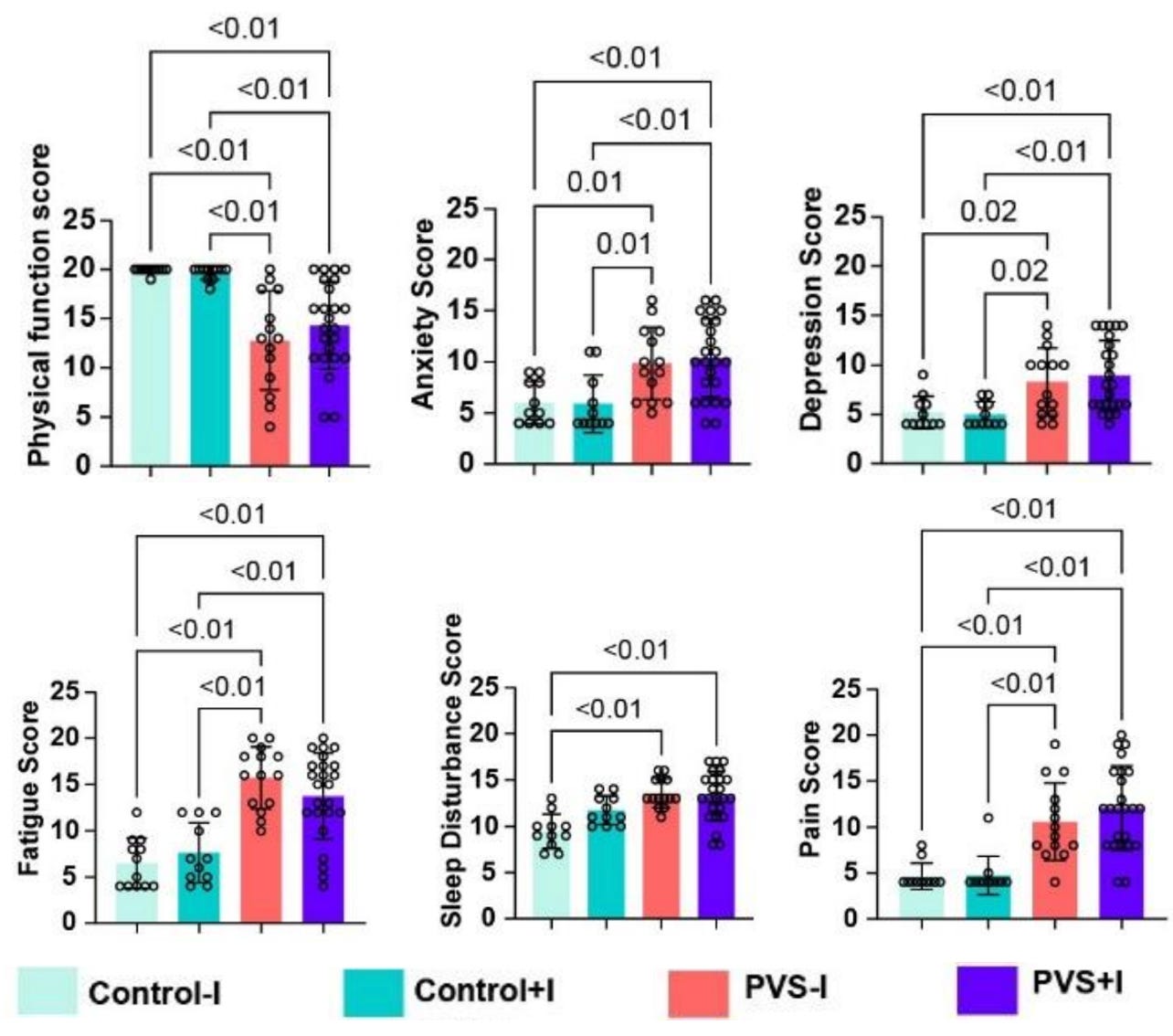
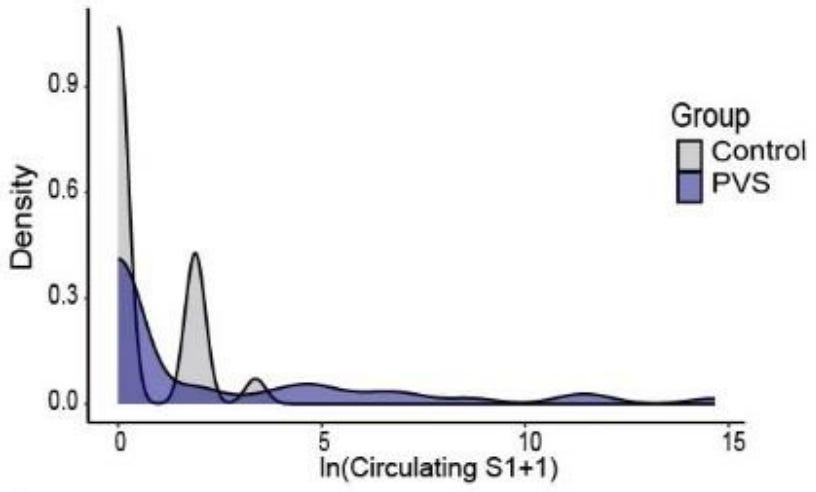
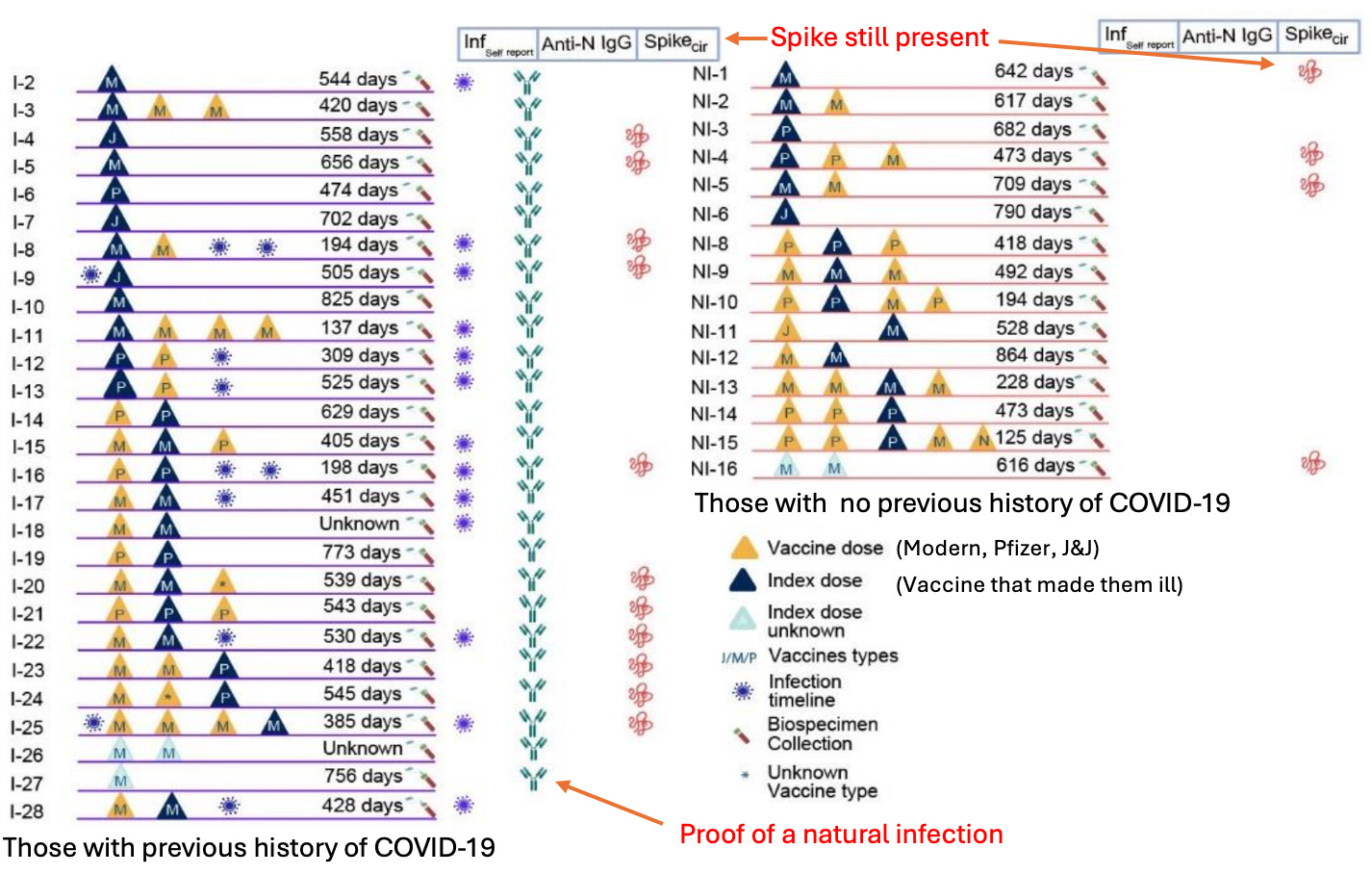
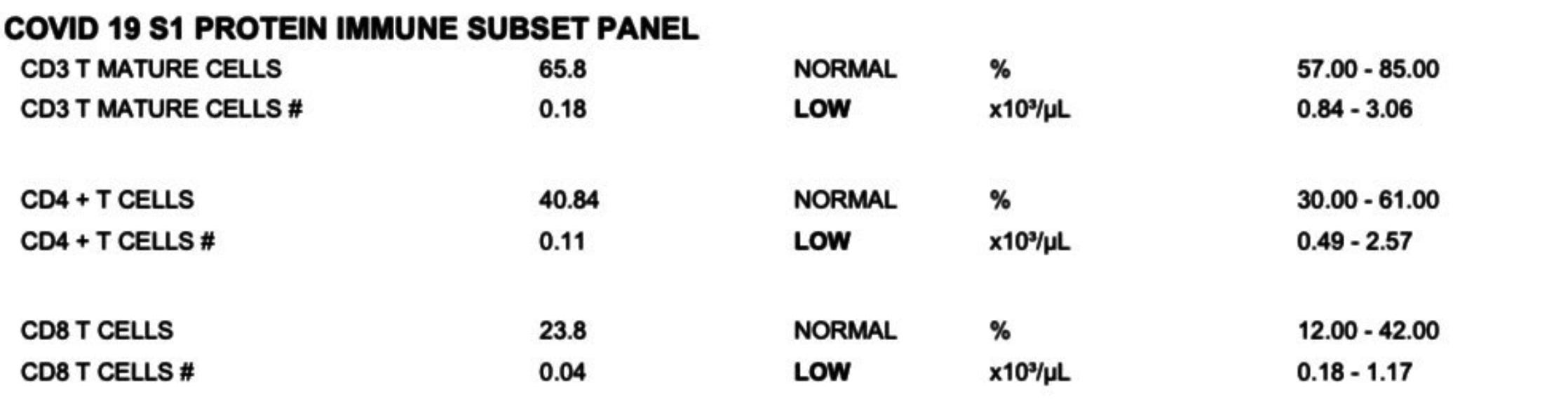
Commenti recenti
2 settimane 6 giorni fa
4 settimane 3 giorni fa
6 settimane 17 ore fa
6 settimane 1 giorno fa
15 settimane 12 ore fa
19 settimane 4 giorni fa
22 settimane 5 giorni fa
32 settimane 2 giorni fa
33 settimane 6 giorni fa
34 settimane 4 giorni fa